Are you looking for paint scheme ideas for an Ork army? The Orks are one of Warhammer 40K’s most iconic factions—loud, brutal, and wildly unpredictable. They’re a tide of green muscle and scrap-armor ingenuity, held together by the sheer force of their own belief that bigger and louder always wins. They’re fun, messy, and endlessly varied, which is probably why painting them feels like both an opportunity and a challenge.
In this article, I collected reference images and ideas to help you explore different color motifs for your Ork army. As a commission painter, I’ve painted a ton of Ork minis over the years. I also rely a lot on photo references to inspire me. So, whether you’re building Goffs, Bad Moons, Deathskulls, Evil Sunz, or some strange kitbashed clan of your own invention, I hope these examples help spark some cool ideas.

Choosing an Ork paint scheme feels different than picking colors for more orderly factions like Space Marines or Necrons. Your choices signal the kind of warband you’re fielding—not just visually, but in personality. Is your force a disciplined (for Orks) clan with recognizable armor colors? Or a chaotic mix of scavenged parts from every battlefield they’ve looted? Either approach works. The only real rule is that your Boyz should look eager to punch something.

For simplicity, I organized these ideas into nine color themes. Mix and match,or use them as inspiration for your own Ork color scheme. Either way I hope you enjoy exploring these images with my ideas and thoughts.
- Black
- Blue
- Brown
- Green
- Orange
- Purple
- Red
- White
- Yellow
Here are the Ork Warbands in the Warhammer 40k universe with their unique and basic color schemes:
- Goffs – Black and White: The biggest and meanest of all Orks. They favor brutal melee combat, dislike flashy colors, and wear lots of black studded armor with white checks.
- Evil Sunz – Red: Speed freaks who believe “red wunz go fasta.” Their vehicles, armor, and glyphs are covered in red paint, often with flame motifs and racing patterns.
- Bad Moons – Yellow: The wealthiest clan thanks to their fast-growing teeth (“teef = money”). They flaunt bright yellow armor, flashy guns, and lots of gold.
- Deathskulls – Blue: Looters and scavengers who think blue is “da lucky color.” They’re always covered in stolen gear, patched plates, and blue warpaint.
- Snakebites – Brown and Natural Tones: A more traditional clan that hates new technology. Their colors lean toward browns, hides, bone, and natural leather tones.
- Blood Axes – Camo (Greens, Browns, Grays): “Strategic” Orks who try to copy the humies. They wear camouflage, salute, and sometimes even retreat (a shocking concept for Orks).
- Freebooterz – Mixed Colors (Pirate Style): Outcasts and mercenary pirates. No single color scheme—patchwork armor, flashy motifs, checks, stripes, bright accents. Loud, mismatched, chaotic.
- Da Kult of Speed – Red, Black, Flames: An Evil Sunz splinter but famous enough to be listed separately. Obsessed with going fast. Red vehicles, flame designs, and checkerboard patterns dominate.
- Gargant Big Mobz – Industrial Metallics + Clan Colors: Specialized warbands building massive walking fortresses. Often metallic, rusted, covered in clan totems and hazard stripes.
You can find more details about the color schemes for each Ork Warband in a simple online search.
Continue reading below for 9 color motifs for an Ork army paint scheme.

(I did my best to photo credit where I found images. Sources link to original source, if available. Contact to request attribution or removal.)
Here are the 9 color paint schemes with reference images for a Ork tabletop miniature army:
Black
Black is one of the strongest color motifs you can use for an Ork army. It gives your models a grounded, brutal presence and instantly connects your force to the Goffs, the clan known for being the toughest and most straightforward brawlers in the Warhammer 40K universe. When you lean into black, you highlight the raw metal, scars, and jagged textures that make Orks so visually satisfying to paint.
Black armor also lets you push contrast in ways that feel natural for Orks. Bright edge highlights, chipped metallics, and dusty browns pop against the darker plates. Brown ink or washes are great for this. You can build an entire warband around this palette without feeling restricted. Black handles weathering extremely well, which makes the scheme forgiving for beginners and rewarding for experienced painters.

In miniature painting, black often represents power, grit, and control. On Orks, those qualities turn into something more primal. Heavy black plates and spiked pauldrons frame their green skin, drawing your eye to their expressions and big, toothy grins. If you’re painting a Goff-themed army, black-and-white checks fit naturally here and look great on armor plates, shoulder pads, and stikkbombs.

Some hobbyists take the black motif even further by shifting the skin tone toward darker greys or charcoal hues. I use black contrast paints and inks for this purpose. This gives the Orks a feral, almost stone-like presence. It’s a striking alternative to the usual green and works well for characters or elite units that you want to stand out from the rest of your army.

You can also mix warm or cool tones into your black areas to change the feel of the scheme. A touch of brown creates a dirty, oil-soaked look. A hint of a blue glaze, for example, gives the armor a cold, steel-like sheen. Gold accents also work surprisingly well with black on Orks, especially on warbosses who want to look important.

For tabletop armies, black works best when you use crisp edge highlights along the armor plates. Light greys bring out the shapes, and subtle chipping adds motion and life. This approach matches the gritty, hard-used look that Orks thrive on.

If you want a classic Goff accent, black pairs beautifully with checkered patterns. A few squares on a shoulder pad, knee plate, or gun shield add personality without overwhelming the model. Yellow-black or white-black checks both work. They break up the armor and introduce visual rhythm that stays true to Ork culture.

If you want to create subtle warm or cool variations in the armor (which keeps black from looking flat), transparent inks work well. Daler-Rowney FW Black Ink or Liquitex Transparent Burnt Umber are reliable (and affordable) options; they glaze smoothly and help you push tone without leaving a chalky finish.
Black is an easy and dependable Ork color scheme. It gives your entire army a consistent presence, supports heavy weathering, and works with any basing style. Whether you’re painting Boyz, Nobz, Warbosses, or your own custom kitbashed monstrosities, black helps everything feel cohesive and punchy on the tabletop.
Blue
Blue is a striking color motif for an Ork army. It stands out immediately on the tabletop, especially when paired with the faction’s natural brutality and chunky armor shapes. In Ork culture, blue is also considered a “lucky” color. That superstition is strongest among Deathskulls, the clan known for scavenging and repurposing anything they can loot. If you’re painting a kleptomaniac horde that looks like it just stripped half a battlefield, blue is a natural fit.
Blue also works beautifully outside clan-specific themes. It’s versatile, easy to shade, and easy to highlight. The color transitions well across armor plates, warpaint, glyphs, skin tones, and even weapons. It gives you room to experiment with blended-gradients, cool shadows, or glowing runes, anything that feels mystical, dangerous, or unpredictable in an Ork way.

In miniature painting, blue is calm and analytical, yet when placed on an Ork it becomes something energetic and feral. Blue warpaint streaked across green skin creates a bold contrast that looks warlike and primal. It’s a strong choice if you want your Boyz to look like seasoned raiders who paint themselves before a fight.

Some hobbyists take blue even further by shifting the skin tone itself. Blue-skinned Orks have a cold, supernatural feel that breaks away from the classic green without losing that unmistakable Ork silhouette. If you’re experimenting, I’d recommend trying a Liquitex Blue Ink mixed with a touch of white paint to give it a mooted, brighter hue. When paired with ivory tusks (which I often just paint with Vallejo Ivory, then washed with a brown shade), bone trophies, or warm leather tones, the color becomes even more dramatic.

There’s also room for more muted blue tones—desaturated greys, blue-black mixes, or dusty denim hues. These versions of blue introduce a rugged, scavenger vibe that works well for Deathskulls or custom kitbashed mobs. The softer palette still reads as Orky, but with a more grounded, gritty energy.

If you prefer something louder, saturated blues with white tribal markings look fantastic. They give your Orks a spiritual or ritualistic presence while keeping the overall feel aggressive. This style reads especially well on characters, Nobz, or champions who need instant visual impact.
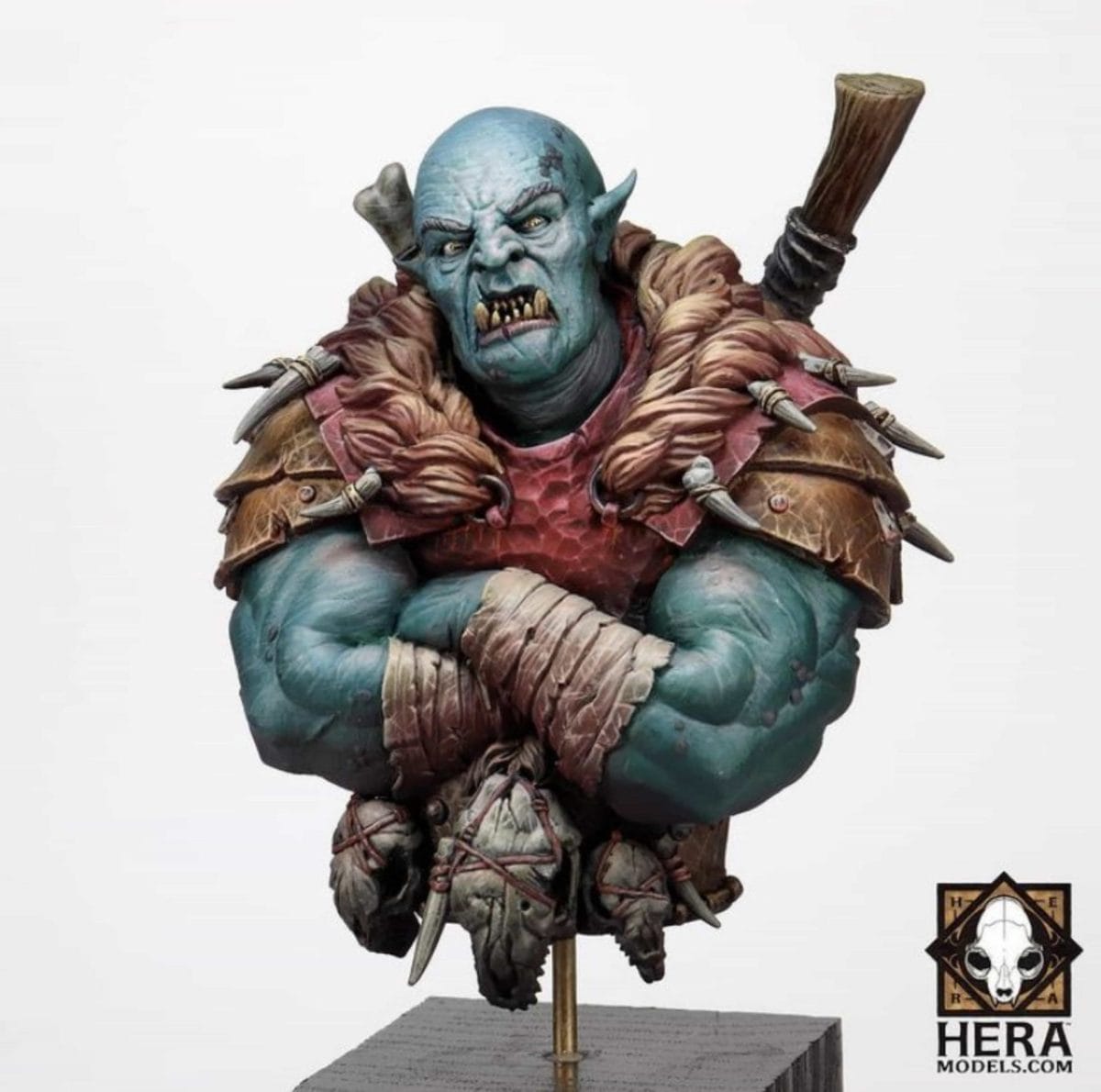
Blue armor also shines when paired with warm colors. Rusty metals, brown leathers, or red cloth help ground the palette and prevent the model from feeling overly cold. You can add warm glazes into the shadows for extra depth or push the highlights with cool turquoise for a more energetic, sharp finish.

Blue is one of the most forgiving and expressive color schemes you can choose for an Ork army. It supports everything from tribal warpaint to angular armor panels, and it adapts well to both saturated and subdued palettes. Whether you’re building Deathskulls, a custom clan, or an experimental mix of fantasy and sci-fi influences, blue opens the door to a ton of creative possibilities.
RELATED: Zenithal Priming and Painting Miniatures (a Tutorial)
Brown
Brown is an unexpectedly rich and characterful color motif for Orks. It leans into the feral, primitive side of their culture, scrap-stitched hides, cracked leather, rusted plate armor, and bone trophies strapped together with whatever they’ve scavenged. For this look, I often reach for things like Vallejo Model Color Leather Brown, Citadel Agrax Earthshade, or AK Interactive pigments; each one fits naturally with brown-based Ork textures and makes the scheme easier to create.
In general, as compared with louder clan colors like red or yellow, brown offers a grounded, brutal tone that fits Snakebites especially well, or any warband that looks more wild than mechanical.

Brown also gives you a wide range of tonal variation. You can push it toward dusty ochre, deep umber, reddish leather, or pale bone-stained hide. These subtle differences add texture without making the army feel visually scattered—perfect for Orks, who thrive on asymmetry and rough materials.
Brown armor and cloth work naturally with Ork skin tones, whether you’re painting traditional green or experimenting with olive, yellow-green, or muted desaturated washes. The warmth of brown enhances the cooler tones in Ork skin, making muscles, scarring, and facial expressions stand out more dramatically.
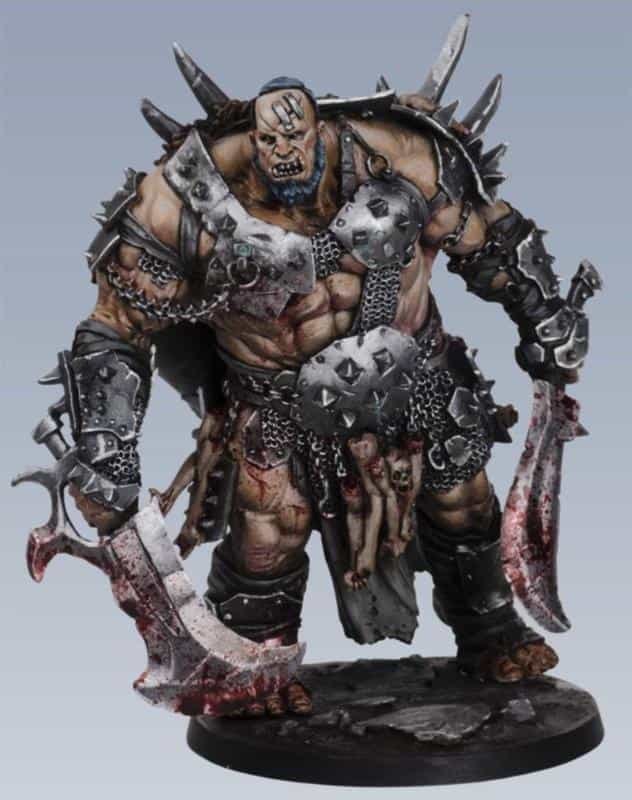
This palette also supports heavy weathering extremely well. Rust streaks, dust pigments, chipped edges, and oily grime blend seamlessly into brown surfaces. I would suggest checking oil paints and washes, if you’re looking for the grimdark, gritty contrast-y look. Even rough strokes or fast drybrushing can feel intentional, reinforcing the idea that Ork equipment is beaten together from hides, scrap metal, and whatever they tore off their last victims.
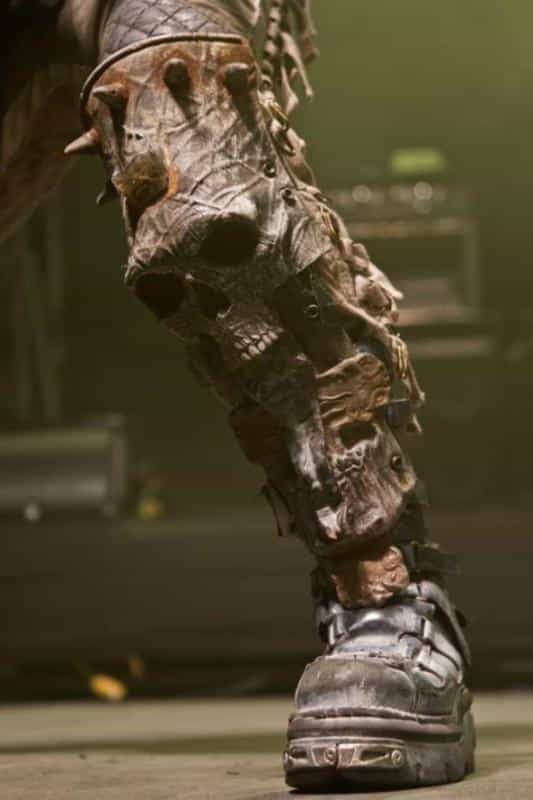
Brown schemes also pair beautifully with bone textures. Skulls, tusks, horns, and fur pelts create natural transitions that enrich the silhouette of the model. These elements help break up the mass of armor and add a tribal, trophy-laden personality to your warband.

There’s also space to explore brown as an Ork skin tone itself. While nontraditional in 40K, it reads well on fantasy-inspired or ogre-like sculpts. Muted, leathery skin surrounded by darker browns creates a rugged, heavy-set look that stands out from the typical green hordes.

Brown is earthy, rugged, and expressive, a color scheme that rewards experimentation. It gives you a canvas for natural textures, organic details, and aggressive weathering. If you want your Ork army to feel tribal, ancient, or wild in a grounded way, brown is one of the most satisfying motifs you can explore.
RELATED: Best 10 Brushes for painting miniatures (Recommendations)
Green
Green is the iconic Ork color—loud, acidic, and instantly recognizable across Warhammer 40K. Painting Orks with a green-centered palette feels natural because it reinforces the classic “green tide” identity. At the same time, green offers far more nuance than many hobbyists realize. You can push the hue toward warm olive, cool teal, neon toxic, mossy earth tones, or desaturated grey-green, and every variation expresses something different about your warband.
For building these green tones, I often rely on things like Citadel Waaagh! Flesh, brown shades, and Liquitex Green Ink—they blend smoothly, layer well, and make Ork skin tones easier to shape with strong highlights.

Green skin is visually expressive. Broad muscles, deep wrinkles, scar tissue, and facial structure all read clearly under green pigments. When paired with strong highlights or intentional color modulation, the skin becomes the primary storytelling surface on the model.
Saturated greens create a bold, aggressive energy. They highlight the physicality of Orks and draw attention immediately during gameplay. When you add warm yellow glazes to the upper planes of the muscles, you introduce a sun-warmed, almost comic-book glow that works beautifully on character models or Warbosses.

Warpaint patterns also shine on green surfaces. Black glyphs, white stripes, or darker green tattoos add visual complexity without disrupting the core palette. They give your Orks personality—each one looks like it prepared for battle in its own chaotic way.
Green armor and leather accents can support the skin tone rather than compete with it. If you keep greens in the mid-range, rusty browns, black metals, and even purples sit well alongside them. These combinations create dynamic contrasts that look Orky and wild without veering into visual noise.

Olive greens introduce an older, more grounded feel, perfect for Snakebites or rugged, tribal warbands. This approach also pairs well with bone trophies, fur textures, and natural materials. The skin feels earthy, almost weather-beaten, and gives your army a strong thematic identity.

You can also explore cooler greens. Adding blue to the shadows gives the skin a cold, sinewy tension, which is a fun twist for Blood Axes, Kommando-style units, or any sneaky, strategic Ork force. These tones look fantastic when combined with dark leathers, urban bases, and desaturated fabrics.
A more experimental direction is contrast-based green—deep shadows, sharp yellow highlights, and pronounced hue shifts that make the muscles pop dramatically under strong lighting. It’s a painterly approach that brings out every fold of skin.

This style introduces colorful saturation shifts, like pink fingers, purple bruising, or cool shadow tones. When used sparingly, these accents help define the brutality of the sculpt and emphasize movement and anatomical form.
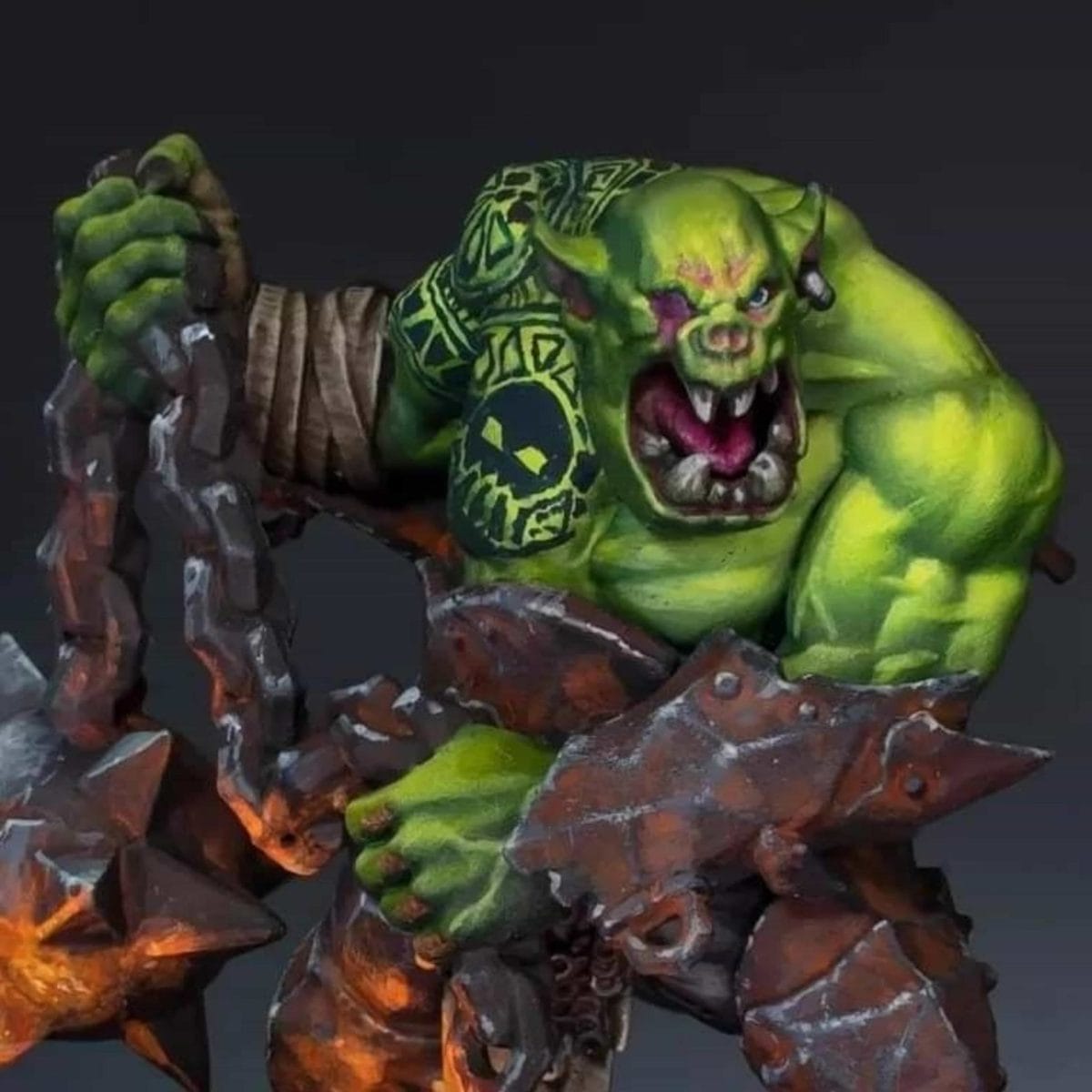
Green remains one of the most flexible and expressive Ork color motifs. Whether you stay close to tradition or push into fantasy-inspired tones, green gives you a wide canvas for blending, glazing, contrast work, and expressive highlighting. It’s the foundation of the faction for a reason—endlessly fun to paint, iconic, and visually readable at any distance.
RELATED: HOW TO BLEND PAINT COLORS ON MINIATURES (8 MUST-KNOWN TECHNIQUES)
Orange
Orange is one of the loudest and most energetic color motifs you can use on an Ork army. It radiates aggression and reckless enthusiasm—qualities that fit the faction’s personality perfectly. While Orange is best known for the Evil Sunz and their obsession with speed, it also works for any warband that wants to appear bold, fearless, and impossible to ignore on the tabletop.

For painting bright, punchy oranges, I’ve had good results with things like Vallejo Model Color Orange Fire, The Army Painter: Warpaints Fanatic: Flickering Flame, and AK Interactive Rust Streaks. They layer well over warm primers and make the armor look sun-baked and chaotic in a very Orky way.
Because orange sits between red and yellow on the color wheel, it offers bright saturation without losing warmth. On armor plates, it visually amplifies the Orks’ bulk and lets edge highlights, scratches, and weathering stand out with almost comic-book clarity. Combined with raw metal chipping or dark leather straps, orange becomes a punchy, kinetic palette that reads instantly from across the table.

Orange also highlights the Ork silhouette incredibly well. Wide plates, spiked pauldrons, oversized guns, and jagged blades all become more dramatic when coated in strong citrus hues. Many hobbyists pair orange with black or dark steel—one of the most reliable combinations for creating visual contrast without overwhelming the green skin underneath.

Vehicles especially benefit from the orange motif. Battlewagons, buggies, Deffkoptas, and flyers look fast even when standing still. Checkerboard panels, flame motifs, and jagged glyphs reinforce the “speed cult” identity. Weathering powders and rust streaks sink naturally into the recesses, giving your vehicles a gritty, fuel-soaked finish that complements the palette.

Orange armor also pairs nicely with expressive green skin tones. (Learn more here about the importance of contrast in speed painting). The combination creates a warm–cool balance that keeps the model readable. Warm orange framing cool greens makes faces, muscles, and hands jump out of the composition. Purple gums or red warpaint add further contrast without visually competing.

If you want an even more stylized look, tiger-stripe patterns or hazard stripes work beautifully over orange. These patterns give Orks a predatory, savage quality—perfect for close-combat mobs, Nobz, or any unit that should appear ferocious and wild.

Orange is bold, thematic, and incredibly flexible. I’ve seen how well it supports heavy weathering, works across infantry and vehicles, and suits both Evil Sunz and custom clans. If you want your Orks to look fast, aggressive, and impossible to overlook, orange is one of the most exciting palettes you can apply.
RELATED: WHAT IS THE DIFFERENCE BETWEEN A WASH, SHADE, OR INK?
Purple
Purple is an unconventional but striking Ork color motif. It sits outside the classic clan palettes, which makes it ideal for hobbyists who want their warband to stand apart from the well-established factions. On Orks, purple feels theatrical—loud, chaotic, and slightly unhinged in a way that matches the faction’s personality perfectly. It carries a sense of swagger, especially when layered over scrap armor plates or blended into energetic skin tones.
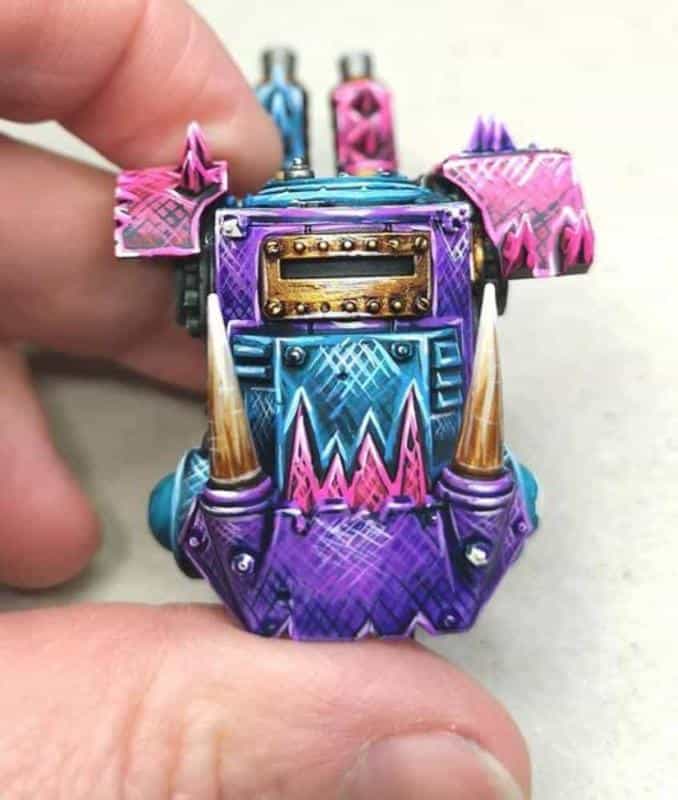
Purple armor works wonderfully with Ork silhouettes because the color shifts dramatically under different lighting. Cool violets create a moody, nocturnal feel, while warmer magenta tones push into an almost neon energy that resembles graffiti-splashed metal. Both ends of the spectrum make Orks look bold and rebellious, especially when mixed with hazard stripes, checks, or crude glyph markings.

One of the biggest strengths of purple is how well it pairs with green skin. The complementary contrast is naturally eye-catching. Green muscles framed by purple armor plates immediately draw attention to the face, expression, and brutality of the sculpt. You can deepen the shadows with blue or burgundy glazes, or brighten the highlights with lavender, keeping the armor readable across a tabletop.

Purple also works nicely for Ork cloaks, robes, and Kommando units. A desaturated lavender or dusty violet gives sneaky Orks a mysterious, camouflaged quality—ideal for Blood Axe-style infiltrators or custom mercenaries. These muted tones still read as Orky, but offer a quieter, more tactical flavor compared with louder neon variants.

For painters who enjoy more expressive techniques, purple is a fantastic base for color modulation. You can integrate orange, teal, or blue to create shifting surfaces that feel chaotic and painterly. This approach looks especially impressive on characters or kitbashed Nobz, where the armor becomes a centerpiece rather than simple plating.

Purple skin tones are another fun direction. They immediately break the visual expectations of “green Orks” and lean toward fantasy-inspired or mutant aesthetics. A violet skin tone with warm highlights and cool blue shadows creates a vivid, high-contrast creature that still feels unmistakably Ork-ish

Overall, purple is one of the most expressive and customizable Ork color motifs. It opens the door to saturated comic-book palettes, gritty urban schemes, and everything in between. If you want an army that looks dangerous, eccentric, and unmistakably unique, purple offers endless room to experiment.
Red
Red is one of the most iconic Ork color motifs, thanks largely to the Evil Sunz and their famous belief that “red wunz go fasta.” Whether you’re painting vehicles, heavy armor, or wired-up cyborg monstrosities, red brings an immediate sense of motion and ferocity to an Ork army. It’s a naturally aggressive color, and when paired with the faction’s brutal silhouette, it results in models that feel fast, loud, and ready to charge headfirst into anything.

Red armor takes weathering exceptionally well. Chips, scratches, and dust read clearly across the surface, helping the viewer understand the weight and violence behind every Ork machine. When you layer in dark browns or black metals underneath, the red pops even more, creating a rugged, lived-in feel that fits Ork engineering perfectly.

You can also lean into yellow accents, e.g., glyphs, hazard triangles, flame patterns, to reinforce the Evil Sunz identity. These bright shapes contrast sharply with the darker recesses of the armor, giving even a basic Boy or Trukk a sense of swagger. This combination is one of the most instantly recognizable palettes in the entire faction.

Red also pairs beautifully with green skin. The complementary contrast brings out the intensity of Ork expressions, especially around the jawline and eyes. For more depth, you can glaze blue or purple into the shadows of the red armor, keeping the highlights warm and pushing the color transitions toward something more painterly.

A more experimental option is red skin itself. While not traditional for 40K Orks, it works surprisingly well for kitbashed brutes, fantasy-inspired characters, or mutated warbosses. Red skin with desaturated shadows and warm ivory highlights creates a volcanic, animalistic look that still feels unmistakably Orky.

Even Squigs benefit from the red palette. Their exaggerated features, smooth surfaces, and bulbous shapes make them perfect for saturated reds with sharp edge highlights. A few glazes of purple around the gums or belly help tie the whole creature together.

Red is the most energetic and visually readable motifs for an Ork army. It works across infantry, vehicles, monsters, and characters. If you want a force that feels fast, brutal, and overflowing with kinetic energy, red is a natural choice, and a fun color to paint.
RELATED: COLOR THEORY YAY OR NAY?
White
White is one of the most unexpected and visually arresting color motifs you can use on an Ork army. It disrupts the viewer’s expectations immediately; most people imagine Orks as green, grimy, and covered in rust-brown plates. A stark white palette flips that assumption on its head. Instead of blending into the usual grimdark palette, white turns Orks into ghostly, brutal figures that feel ancient, cursed, or mutated.

White skin tones especially stand out. Pale, desaturated flesh over exaggerated Ork anatomy gives the model a haunting presence—almost undead. The high contrast between recess shadows and bright highlights emphasizes wrinkles, scars, and musculature in a way that green skin doesn’t. It can read as frost-bitten, albino, or even chemically burned depending on your shading choices.
When I paint pale or desaturated Ork skin, I’m using Citadel Corax White most of the time. A wash like sepia-tone you can use them to push down cold shadows, increase contrast with highlights, and keep the skin looking textured instead of flat.

Armor also benefits from a white or off-white scheme. Instead of clean purity, Ork white tends to feel weathered and bone-like. Chipped edges, oil streaks, and rust instantly give white plates a rugged, scavenged texture. Because white reflects so much light, you can push your grime layers harder, brown washes, sepia staining (or flesh tone shades), or even greenish corrosion (try: Games Workshop Citadel Technical Nihilakh Oxide) will be visually clearer and more dramatic.

White also pairs effectively with black or dark metals. This high-contrast combination makes the model readable from across the table and fits perfectly with Ork silhouettes built around sharp edges and oversized weapons. Tribal patterns, jagged glyphs, and rough warpaint in darker tones break up the white areas and introduce a strong graphic style.

A more narrative direction is to use white as a sign of mutation or elite status. Pale skin with red or purple undertones gives a grotesque, almost vampiric look that works well for weirdboyz, painboy experiments, or your own custom mutant warband. If you glaze thin cool blues into the shadows, the model takes on an icy, corpse-like tone. Warmer pinks push toward a fleshy, swollen look.

You can also paint white in a more bone-like direction by mixing in beige, ivory, or warm grey. These tones create a cracked-marrow effect that pairs well with rusted metals, fur pelts, and trophy skulls. This grounded, earthy version of white is perfect for Snakebite-inspired clans or savage custom factions.

White is challenging but rewarding. Because the color shows every brushstroke, thin layers and patient glazing pay off. But the payoff is enormous: a pale, monstrous Ork force looks unlike anything else on a 40K table. Whether you lean into albino skin, bone armor, or ghost-like warbosses, a white motif turns your army into something eerie, imposing, and unforgettable.
Yellow
Yellow is one of the most recognizable Ork color motifs, thanks to the Bad Moons, an ostentatious clan known for flaunting their wealth, oversized guns, and teef-growing advantage. On the tabletop, yellow creates immediate visual impact. It’s loud, high-contrast, and surprisingly flexible once you understand how to shade yellow and weather it properly.
Painting Ork armor in yellow brings a bright, almost industrial energy to the models. It communicates boldness, swagger, and the kind of over-the-top confidence that defines Ork culture. Few colors telegraph that attitude as effectively as yellow.

Yellow works exceptionally well on large surfaces. Battlewagons, Deff Dreads, and Squig mounts become enormous rolling targets—exactly how Orks like it. Strong panel lines, edge highlights, and chipped metal effects stand out clearly across yellow plates, allowing you to push your weathering further without losing readability. Even bold patterns like chevrons or checks remain crisp against this backdrop.

Yellow also excels on vehicles because it naturally absorbs and displays grime. Brown washes and oil streaks settle into the recesses, creating depth without dulling the overall palette. You can glaze toward orange for warmer tones or nudge the shadows toward desaturated olive to add a gritty, industrial feel.

For infantry, yellow armor frames Ork green skin beautifully. The warm tone complements cooler greens, helping the anatomy pop—faces, muscles, and hands become brighter and more expressive. This makes yellow ideal for Nobz, elite units, or characters who should stand out within the warband.

Yellow also supports an enormous amount of variation. You can push it toward bright Bad Moons saturation, gritty desert tones, sun-bleached plates, or even hazard-stripe industrial schemes. All of these versions feel distinctly Orky.

Large vehicles offer even more room to experiment. Panels can be weathered with sponge chipping, stippled rust textures, or streaking grime. The brighter the basecoat, the more dramatic the contrast from weathering becomes.

Even Age of Sigmar–style Ironjawz and Orruks translate well into 40K when painted yellow. Their armor plates and muscular physiques carry the tone strongly, giving you a cross-genre palette that still feels right at home in the 40K aesthetic.

Yellow is a dynamic and spirited palette that announces your army’s personality immediately. It rewards strong shading, bold pattern work, and confident weathering. Whether you’re painting Bad Moons or building your own custom clan, yellow gives your models a vivid, aggressive presence that commands attention.
CONCLUSION
Orks remain one of the most enjoyable factions to paint in Warhammer 40K. Their wild personalities and scrap-built gear give you endless room to experiment with colors and textures. As a commission painter, I always start with reference images and a simple plan—something to fall back on when motivation dips or a project stalls.

Picking an army palette can be tough, but I hope the ideas in this article help you shape the look of your Ork warband, whether you stick with a classic clan or build something entirely your own.
For more inspiration, you can check out my Pinterest boards or explore other articles on choosing color schemes across different armies.
Happy painting!
Enjoying Your Visit? Join Tangible Day
Free newsletter with monthly updates (no spam)


Tangible Day on YouTube (Miniatures and More!)