Ever spent hours painting a miniature, only to watch the paint chip away after a few gaming sessions? Frustrating, right? One of the biggest reasons this happens is skipping an essential first step—priming.
You might wonder: Can’t I just use regular hobby paint to get started? It’s a common question, and the answer lies in understanding the unique roles of primers and paints in miniature painting.

Key Takeaways
- Primer is essential for adhesion, durability, and a smooth painting surface.
- Hobby paint alone isn’t a substitute for primer—it lacks adhesion and durability.
- Skipping primer can lead to chipping, streaks, and uneven coverage, reducing the longevity of your paint job.
Primer: The Foundation for Your Work
Primers are the unsung heroes of miniature painting. Their job is to create a smooth, durable surface that paint can adhere to. Miniature models—whether plastic, resin, or metal—often have slick or porous surfaces that hobby paint struggles to stick to. A primer forms a thin, even layer that grips the model and provides a foundation for your paint.
RELATED: Does Primer Color Matter? Should You Use Color Primers?

Why Priming Matters:
- Better Adhesion – Primers chemically bond to surfaces, reducing chipping and peeling.
- Surface Smoothing – They fill in minor imperfections, giving you a better painting surface.
- Color Base Options – Black, white, and gray primers enhance paint depth. Black deepens shadows, while white makes bright colors pop.
Without primer, your hobby paint might flake off during handling or gameplay—not ideal!

Hobby Paint: The Rest of the Story
Hobby paints, on the other hand, are all about adding color and detail. They bring vibrancy, shading, and highlights to your miniatures. However, they don’t have the same adhesion properties or durability as primer.

Hobby paints come in various finishes—matte, satin, and gloss—and are formulated for precision and blending. I’ve written a ton about hobby paints, recommending the best kinds for painting miniatures for tabletop gaming, in particular.
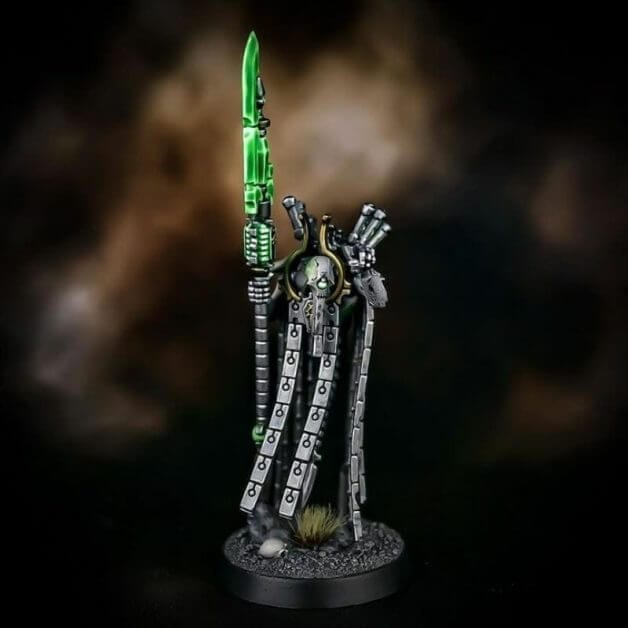
Acrylic hobby colors are essentially your storytelling tools, whether it’s fiery reds for your Warhammer 40k Blood Angel space marines or gleaming metallics for that Necron destroyer.
Why Can’t Hobby Paint Double as Primer?
Technically, you could use hobby paint as a primer, but you’d likely run into several issues:
- Adhesion Problems: Hobby paint doesn’t stick well to bare surfaces, especially smooth plastics or resin.
- Durability Issues: Without a primer underneath, hobby paint is more likely to chip or wear off with handling.
- Uneven Texture: Primers create a consistent surface, while hobby paint alone might leave streaks or clumps, especially if you’re layering on thick coats to compensate for poor adhesion.
RELATED: Top 3 Mistakes To Avoid When Priming Miniatures (and Solutions!)
Can You Skip the Primer?
In a pinch, some hobby paints can serve as “all-in-one primer and paint”, such as those from Army Painter. These are kind of rare in miniature painting but useful for terrain or quick projects.
They generally coat miniatures with layers that are thicker than other media, so you’ll want to be careful with using them with models with a lot of fine details that are easily obscured.
In my opinion, for best results, dedicated primers remain the gold standard for quality and longevity.

Common Mistakes When Priming Miniatures
While priming is essential, there are a few common mistakes that can affect your final results. Here’s what to watch out for:
- Over-Priming – Applying too much primer can obscure fine details on your miniatures. Stick to light, even coats.
- Spraying Too Close or Too Far – Holding the spray can too close can result in a thick, uneven coat, while spraying too far away may lead to a grainy or spotty finish.
- Priming in High Humidity – Moisture in the air can cause a chalky or textured surface. Try to prime in a controlled environment for the best results.
- Skipping Surface Prep – Make sure to clean your models before priming. Oils from your hands or leftover mold release agents can prevent primer from adhering properly.
Tutorial: How to Prime Miniatures with an Airbrush
If you’re looking for an alternative to spray primers, using an airbrush can be an excellent option. Airbrush priming offers precise control, smoother coverage, and the ability to prime indoors without worrying about weather conditions.

I created a video tutorial where I break down the entire process of airbrushing primer onto miniatures using Vallejo Surface Primer. In the video, I cover:
- Why airbrush priming is superior for certain projects
- How to thin Vallejo Surface Primer for the best results
- The ideal air pressure settings to avoid splattering
- Common mistakes to avoid when airbrushing primer
Check out the video here: How to Airbrush Prime Miniatures (Simple Tips with Vallejo Surface Primer).
Quick Comparison: Primer vs. Hobby Paint
| Feature | Primer | Hobby Paint |
|---|---|---|
| Adhesion | Strong | Weak |
| Durability | High | Lower |
| Surface Prep | Smooths imperfections | No improvement |
| Color Base | Enhances depth | Purely decorative |
When to Use Each
- Primer: Prepares your model for painting, ensuring durability.
- Hobby Paint: Adds color, detail, and personality to your miniature.
READ MORE: 13 Miniature Painting Tips for Beginners

Final Thoughts
The next time you’re tempted to skip the priming step or reach straight for your favorite hobby paint, remember: a little preparation goes a long way.
Starting with a primer sets the stage for a flawless paint job, ensuring your miniatures are ready for battle or display. Whether you’re painting an entire army or a single centerpiece, investing in a good primer will make all the difference.
What to learn more about the best primers and paints for painting miniatures? Have questions? I’d love to hear from you. Leave a comment below!
Enjoying Your Visit? Join Tangible Day
Free newsletter with monthly updates (no spam)


Tangible Day on YouTube (Miniatures and More!)