If you’ve ever stared at a pile of leftover sprues and wondered what else they could become, this list gives you a broad set of ideas to spark your creativity. Think of it as a toolbox of possibilities: from simple crafts to terrain starter concepts. It’s not a step-by-step tutorial. It’s a place to browse, get inspired, and find your next project.
You know you could toss plastic in the trash. You also know that part of you hates the idea waste but you’re out of ideas of what to do next. Find inspiration here.
In this article, I’ll show you practical, sprue recycling ideas that actually fit into a miniature painter’s workflow. You will turn those leftover Warhammer sprues into bases, terrain pieces, conversion parts, and simple tools you will use in almost every project.

Why Warhammer sprues are perfect reusable material
Most plastic sprues from Games Workshop and other miniature companies are polystyrene, the same material as the miniatures themselves. That gives you three big advantages:
- They glue well with standard plastic cement and super glue.
- They sand, carve, and file cleanly.
- They take primer and acrylic paint without any special prep.
The catch is that polystyrene sprues often do not qualify for standard curbside recycling in many regions. Even if you put them in a blue bin, your local facility may not actually process them.
So the rest of this article focuses on what you can do with sprues at your hobby desk before you ever think about dropping them in a bin.
How to use this sprue recycling guide
To keep things straightforward, I’ve grouped the sprue ideas into three rough “jobs” you probably care about as a miniature painter:
- Basing and visual storytelling
- Terrain and gaming table upgrades
- Simple tools and supports that make painting easier
You do not need special tools beyond the basics: sprue cutters, a hobby knife, glue, a file, and primer. Pick one idea that fits the project on your desk and try it once. Over time, you will build up a small library of sprue bits that feel as natural to use as sand or cork.
1. Basing rubble ideas using sprue leftovers
The simplest and most useful way to recycle sprues is to turn them into basing bits.

Cut straight sprue sections into irregular chunks and shards, then glue them onto your base before you add texture paste or sand. Once everything is primed, those shapes read as:
- Broken masonry
- Industrial debris
- Metal plates and brackets
RELATED: EASY-TO-USE BASING KITS FOR WARGAMING MINIATURES (28 REVIEWED)
For Warhammer 40k, I like to keep some pieces more rectangular for an Imperial, mechanical feel. For fantasy games, I cut softer, more irregular shapes to look like stone or ruins.
2. Carve sprues into creative lightweight rocks or ruin bits
If you want rock formations without heavy slate or resin, sprues work surprisingly well.

- Clip a few thicker sprue bars.
- Use a hobby knife to chip edges and slice off corners.
- Roughen surfaces with a file to add texture.
Prime dark brown or black, then drybrush up through greys or tans. These sprue rocks sit nicely on 32 mm and 40 mm bases and weigh almost nothing, which helps for storage and transport.
3. Try using sprues for basing frames and elevation
Sometimes you want a base with a step up, trench edge, or recessed floor.

Glue sprue strips around part of the base rim or create a shallow box on top, then fill the area with texture paste or sand. This gives you:
- Sunken metal flooring
- Raised platforms
- Dug-out trench edges
For skirmish games like Kill Team, a few raised bases instantly make your board look more cinematic in photos.
4. Concepts for modular scatter terrain
Leftover sprues are excellent for quick, modular terrain that you can rearrange between games.

Clip a few long straight pieces and glue them into:
- Low barricades and barriers
- Short wall sections
- Broken fence lines
Add card or foamboard panels, plus sand and rubble, then prime and paint. These small sprue-based pieces are perfect for filling empty spaces on your gaming mat and blocking lines of sight.
5. Kitbash ideas for objective markers and mission tokens
Sprues are great for mission markers in Warhammer 40k, Age of Sigmar, Kill Team, and RPGs.
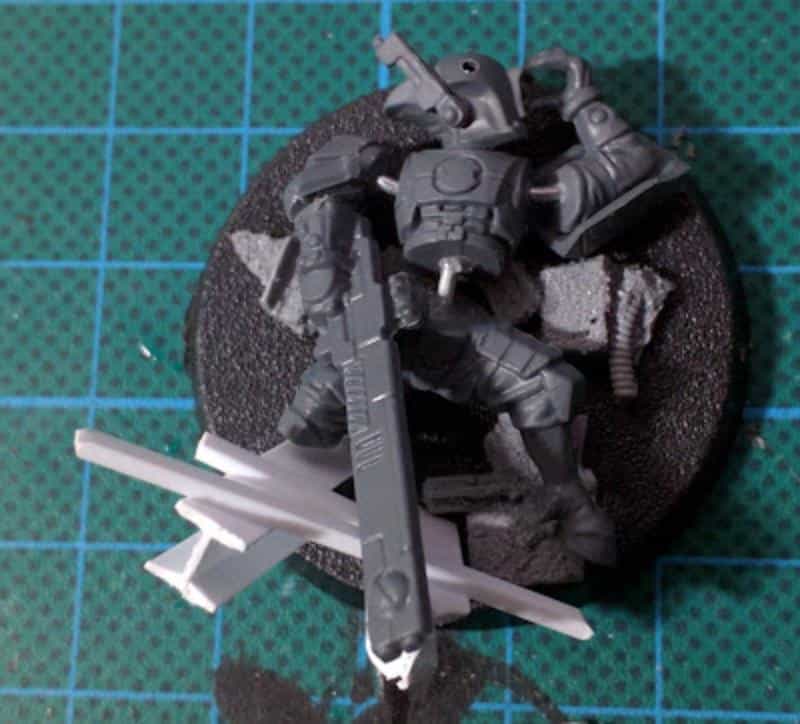
- Glue sprue chunks and spare bits onto 25–40 mm bases.
- Stack them into little scrap piles, ammo dumps, or loot stashes.
- Add numbers or faction symbols with transfers or freehand.
Now you have a set of objective markers that match your army’s style instead of generic tokens that look out of place.
6. Try making sprue tank traps and barricades
Classic “sprue hedgehogs” are one of the most recognizable ways to reuse old frames.

- Cut several sprue lengths to equal size.
- Glue them in intersecting X and Y shapes.
- Mount them on a small base.
Paint them as rusted metal or concrete-and-rebar. Sprue tank traps look great in Warhammer 40k, historical games, and post-apocalyptic boards.
7. Reinforce foam terrain and scenery edges
Foam hills, ruins, and buildings can chip or crush along exposed edges. Sprue can quietly reinforce them.
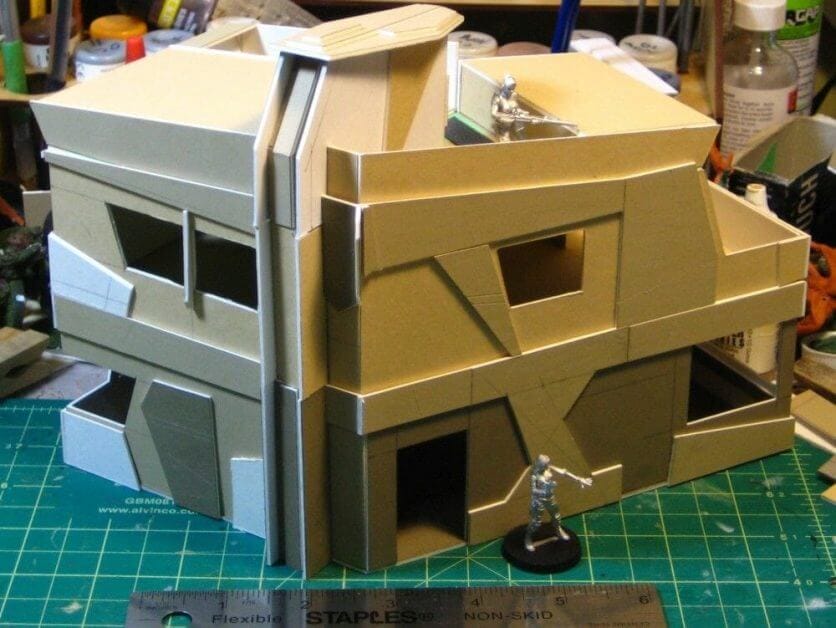
Glue narrow sprue strips along corners and doorways, then cover with texture paste or PVA and sand. This creates a hidden skeleton in the foam without adding much weight, and your terrain will survive more games and transport.
8. Create sci-fi antennas and sensor arrays
Warhammer sprues already look structural and mechanical, which makes them perfect for sci-fi details.
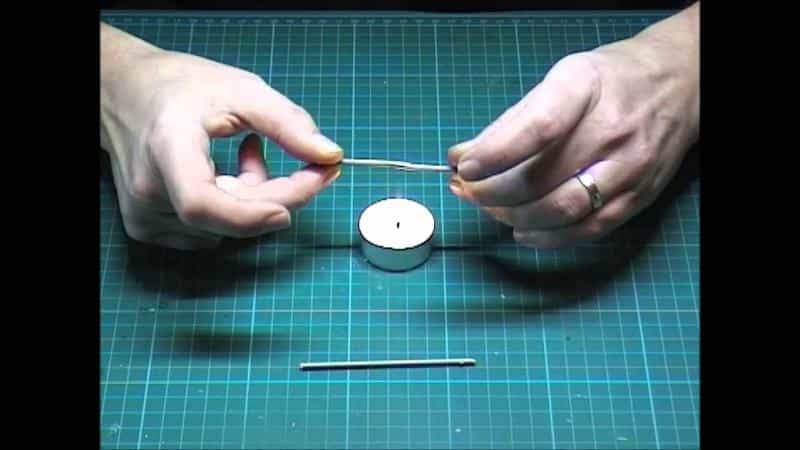
Use thin rods and T-junctions to build:
- Roof antennas
- Radar dishes and comms posts
- Sensor masts on vehicles
Add some wire or stretched sprue as cables, then paint in metallics with hazard stripes. These little greebles add a lot of atmosphere to Necromunda, Kill Team, and 40k tables.
9. Scratch-build pipes and conduits
Round sprue sections make convincing pipes and conduits on walls and floors. You can also use the same method shown in #8.
- Cut straight pieces to length.
- Curve gently with heat if you are comfortable working carefully.
- Add small sprue discs as pipe clamps or junction rings.
Paint them as power lines, coolant pipes, or chemical flows. They are ideal for industrial bases and Zone Mortalis-style terrain.
10. Cobble together beautiful cable trays and industrial walkways
If you have sprues with flatter profiles, they can become cable trays and gantry edges.

Glue parallel strips together and add cross-bracing. Combined with plasticard or mesh, you can assemble:
- Catwalks
- Maintenance platforms
- Edge trims on large terrain pieces
These details help your board feel more like a real industrial facility rather than a scatter of random boxes.
11. Turn sprues into test panels for airbrushing and weathering (my favorite idea)
Instead of wasting paint on cardboard, create reusable test panels from sprues.

- Glue sprue rectangles and card together into a flat plate.
- Prime it like you would a model.
- Use it to test airbrush blends, stippling, or weathering powders.
Because the surface is rigid and the same material as many miniatures, your experiments behave more like they will on a real figure or vehicle.
12. Money saving idea: custom miniature stands and handles
Sprues are perfect for quick painting handles and temporary stands.

- Glue a cork or old base to a length of sprue.
- Attach your miniature with blu-tack or pins.
You now have a grip for priming, basecoating, and varnishing. When you are done, you can reuse the sprue handle for the next project.
13. Build drying trees for brushes and subassemblies
If your workspace is cramped, a sprue drying “tree” keeps things off the surface.

- Glue several sprue posts upright on a small base.
- Add horizontal crossbars from thinner pieces.
You can rest brushes, clipped parts, or subassemblies on the branches while they dry. It is not fancy, but it helps keep wet items organized.
14. Create armatures for green-stuff sculpting or standalone models
Sprue armatures give structure to thin or fragile sculpted elements.

Bend or cut sprue into the rough shape of a banner, limb, cable, or blade, then sculpt over it with green stuff or another putty. The sprue core keeps the piece from snapping while you shape it and after it cures.
15. Convert chaos spikes, blades, and armor trim
If you play Chaos Space Marines, daemons, or spiky Orks, sprues are basically free spikes.
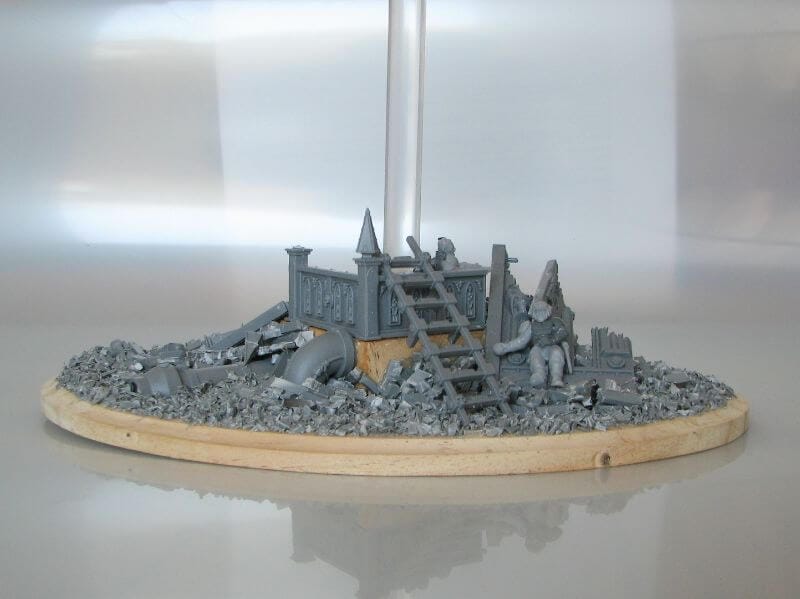
- Slice long triangles from sprue rods with a sharp hobby knife.
- Scrape the edges lightly so they look sharp.
Glue them to armor plates, shoulder pads, and vehicle hulls. Once they are primed and painted, they read as sculpted spikes and blades, not recycled frame.
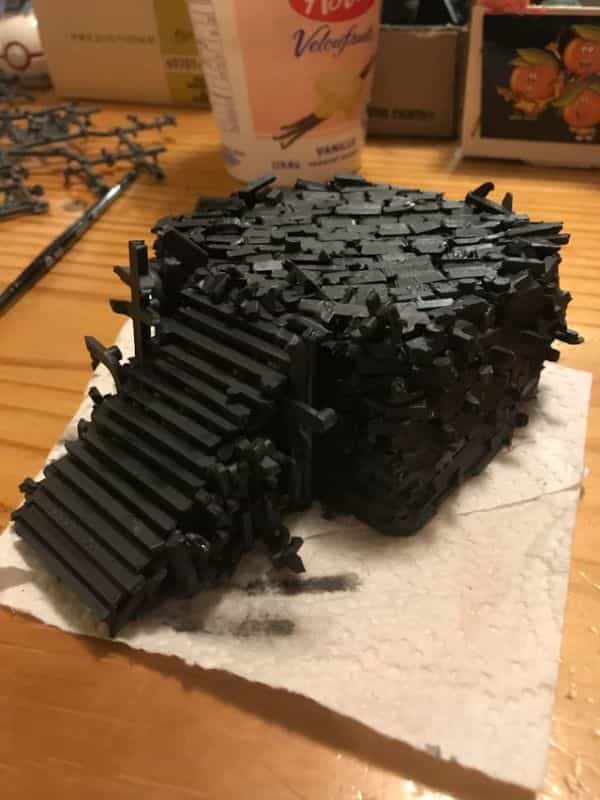
16. Chopped-up sprues can be turned into brick walls and ruined structures
You can turn sprues into brickwork and rubble walls with a bit of patience.

- Cut sprue into small rectangular “bricks.”
- Glue them in staggered rows.
- Stack and offset them to suggest damage or missing sections.
Prime and drybrush with stone colors, then add moss, soot, or pigments. These pieces work for fantasy ruins, urban battlefields, and RPG dungeons.
17. Make interior shelving and furniture for dioramas
Sprues can become simple shelves, racks, and frames in interior scenes.

Use thin sprue strips for uprights and shelves, then glue them against a wall in your diorama. Add tiny crates, books, or tools, and the space suddenly feels lived in.
18. Build sprue-based hobby tool organizers
If your hobby tools constantly roll across your desk, build a quick organizer.

- Glue a sprue rectangle on top of a base as a grid.
- Add short vertical posts as rests for files and brushes.
It will not win any design awards, but it keeps clippers, sculpting tools, and knives in predictable spots while you work.
19. Create small storage dividers for bits
Bits boxes love dividers, and sprues can supply them.
Cut sprue lengths to fit inside your plastic bins or drawers, then glue them together into a grid. You can sort heads, weapons, and accessories into separate cells without buying extra organizers.
20. Make height-boosting plinths for display photos
For blog posts or social media, a bit of height helps models stand out.

- Stack sprue pieces and glue a flat card top.
- Prime in black, grey, or white.
Place your mini on this plinth when you photograph it. The raised platform gives cleaner sightlines and helps separate the model from the background in your images.
21. Build temporary flight stands
If you run out of clear flight stands, sprue can pinch-hit.
Use straight sprue as a post, pin one end into the base, and attach a small magnet, peg, or blu-tack pad at the top. Paint the post in a dark neutral so it visually recedes. This works well for drones, familiars, and light flyers.
22. Use sprues as modeling jigs and alignment tools
You can use sprues as quick jigs when you need things to dry straight.
Glue two straight sprue pieces to a scrap card in parallel, far enough apart to hold a barrel, banner pole, or rail between them. While the glue cures, the sprues keep the part aligned. You can also create right-angle blocks for squaring up corners on terrain.
23. Turn sprues into loot and scrap piles
Sprue bits mixed with spare weapons and gear make excellent loot piles.
- Glue chopped sprue, discarded arms, and pouches together on a base.
- Add the occasional ammo box or canister.
Paint in metallic tones with splashes of color. These pieces work as objectives, scatter terrain, or narrative markers in almost any tabletop wargame.
24. Create plant stems and weird alien growths
Sprues can even stand in for organic shapes.
- Carve and texture sprues into chunky stems or roots.
- Add green stuff leaves, pods, or tendrils.
Paint them as corrupted flora on Chaos worlds, alien jungle plants, or weird arcane growths in fantasy settings. This is a fun way to give a board its own visual identity.
25. Try advanced sprue recycling and sprue “plasticard”
If you want to experiment, you can turn sprue offcuts into a kind of DIY plastic sheet.

Some hobbyists dissolve chopped sprues in strong plastic cement or solvent to create a thick sprue “goo” that can be used as a filler or spread into thin layers that cure into a solid sheet. Others press heated sprue into molds or between metal plates.
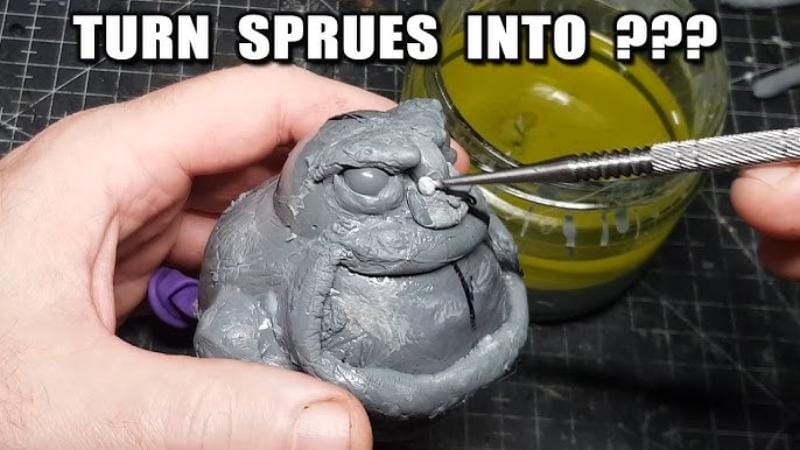
This is an advanced technique, and you must work with good ventilation, gloves, and eye protection. If you decide to try it, start with very small amounts and treat it as an experiment, not a primary method.
Where to recycle Warhammer sprues when you truly have too many
Even if you reuse sprues for basing and terrain, the plastic can still pile up over years of building armies and model kits.
Local household recycling programs often do not accept small, irregular polystyrene pieces like sprues, so it is worth checking your area’s rules instead of assuming the blue bin will handle them.
The Warhammer Recycling Programme, in partnership with TerraCycle, allows you to bring old sprues, plastic Warhammer miniatures, and empty Citadel paint pots to participating Warhammer stores. The material is cleaned, processed, and turned into pellets that can be used in products such as outdoor furniture or playground equipment rather than ending up in mixed waste.
If you live near a Warhammer store that participates, you can keep a box under your desk for “unusable” sprues and drop them off when it fills.

RELATED: BEST GLUES FOR PLASTIC, METAL, OR RESIN MINIATURES AND MODELS
If you experiment with sprue “goo” or heating plastic, keep batches tiny and work with good ventilation, because overheated polystyrene can give off fumes you do not want to breathe.
Combined with the creative ideas in this guide, this gives you a practical way to reduce waste from the hobby.
Final thoughts
Leftover sprues are part of the reality of building Warhammer and other tabletop miniatures. Instead of treating them as guilt-inducing trash, you can treat them as a free source of plastic for bases, terrain, conversions, and simple tools that support your painting.
Pick one idea from this list and try it on your next project. Maybe you start with basing rubble, or a single tank trap, or a quick objective marker. Over time, you will build a quiet habit of turning “waste” into small creative wins.
If you’re looking for new ways to make the hobby more meaningful, sign up for the Tangible Day newsletter. You’ll get practical tips, creative prompts, and updates when new guides like this go live.
Like what you read? Leave a comment below. Every bit of feedback helps us make this site better for you.
Until next time, happy creating!
Enjoying Your Visit? Join Tangible Day
Free newsletter with monthly updates (no spam)



Tangible Day on YouTube (Miniatures and More!)