Preshading Miniatures With Dry Brushing in 5 Steps

Build a black-to-white value sketch with progressively lighter drybrushing before applying transparent color to your miniature.
Preshading Miniatures With Dry Brushing in 5 Steps Read More »

Our Miniature Hobby Lifestyle
Are you looking to improve your miniature painting? Do you want to increase your arsenal of painting techniques? Whether you’re a beginner or an experienced painter, these articles will show you some new (and unique) ways to approach your painting projects.
One of the great things about painting miniatures is that there are endless possibilities when it comes to techniques. You can go as simple or as complex as you like, and there’s always something new to learn. Explore some different miniature painting techniques, or learn how to spin something you already know how to do.
Experimenting with different approaches can help you find new and better ways to achieve the results you want. It can also be a lot of fun! So don’t be afraid to get creative, and try something new today.
Build a black-to-white value sketch with progressively lighter drybrushing before applying transparent color to your miniature.
Preshading Miniatures With Dry Brushing in 5 Steps Read More »

Practice NMM highlight placement on swords and armor. Move one or two lights, explore a five-tone paint map, and download a free painting reference.
NMM Highlight Trainer for Miniature Painting Read More »

A stubborn airbrush clog can survive a normal rinse and a blast of high pressure. Here is the fast deep-cleaning method I use to remove dried acrylic paint from the nozzle and get a smooth spray again.
How to Unclog an Airbrush (When Regular Cleaning Fails) Read More »

White paint exposes every brushstroke. This 1:1 paint and high-flow acrylic method gives me a smoother white basecoat while preserving the miniature’s details.
How to Paint White Miniatures Without Streaks (8 Steps) Read More »

Explore object-source lighting on three practice figurines. Move the light, compare grayscale and paint maps, and use real painting examples to plan your next glow effect.
OSL Painting Tool for Miniatures Read More »

Move a virtual light around a miniature to plan stronger highlights and shadows, improve contrast, and create readable volume before painting.
Where Should You Highlight a Miniature? (Interactive Light Planner) Read More »

Use this private, browser-based miniature painting grayscale checker to compare color, simplified values, and tabletop readability.
Miniature Painting Grayscale Checker (Test Your Contrast) Read More »
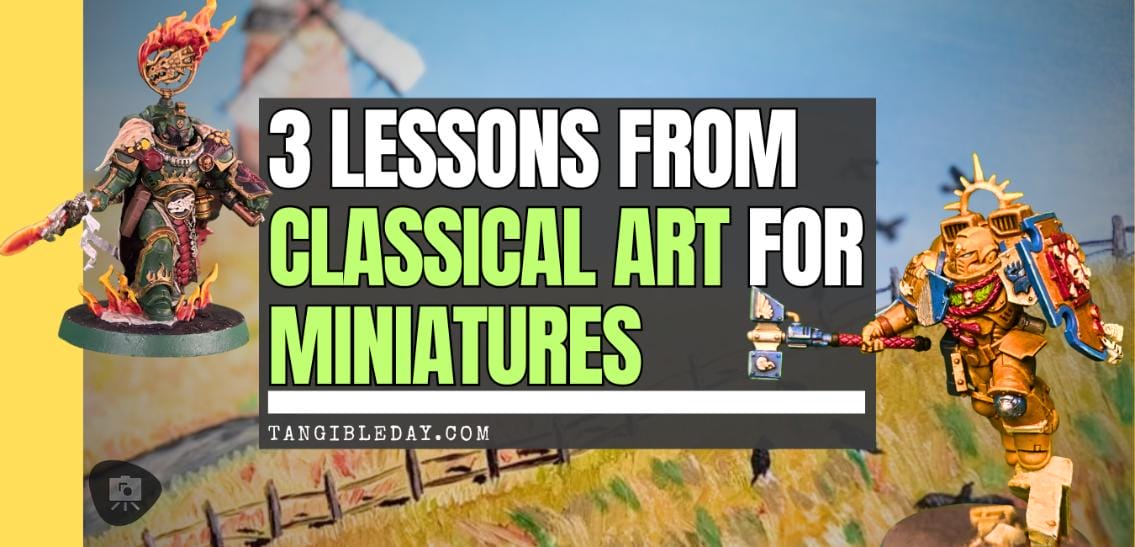
Discovering Warhammer Through the Art of Miniature Painting What initially drew me to Warhammer: 40,000 wasn’t the tabletop gaming aspect, or the incredibly deep lore, but was the seemingly innate artistic ability of its players. Here was a community of people diligently working on miniature masterpieces every night in their garage, or at their kitchen

You’ve basecoated your model. The paint is opaque and smooth—but it looks flat. That flatness comes from a lack of contrast. Contrast is the movement from light to dark across a surface. It’s what gives a miniature depth, weight, and presence. Without it, even clean paint jobs feel unfinished. One of the easiest and fastest
How to Use Shades to Add Contrast to Miniatures (7 Simple Steps) Read More »

Are you ready to paint your first miniature? Maybe you just want to get started and feel like you need a clear refresher. Basecoating your miniature is the second most important step, immediately after priming your model. Basecoating miniatures is the process of applying the first solid color layer that everything else builds on. This
How to Basecoat Miniatures (7 Simple Steps for Smooth Results) Read More »

Ever want a miniature sword to look like it’s glowing with energy? A lightsaber or lightning power sword of some sort, perhaps. Or maybe you want understand how to paint an object glow effects but don’t know where to start. This practice drill teaches you the object source lighting (OSL) technique on a flat surface
How to Paint a Glowing Lightning Effect (OSL Practice Drill for Miniatures) Read More »
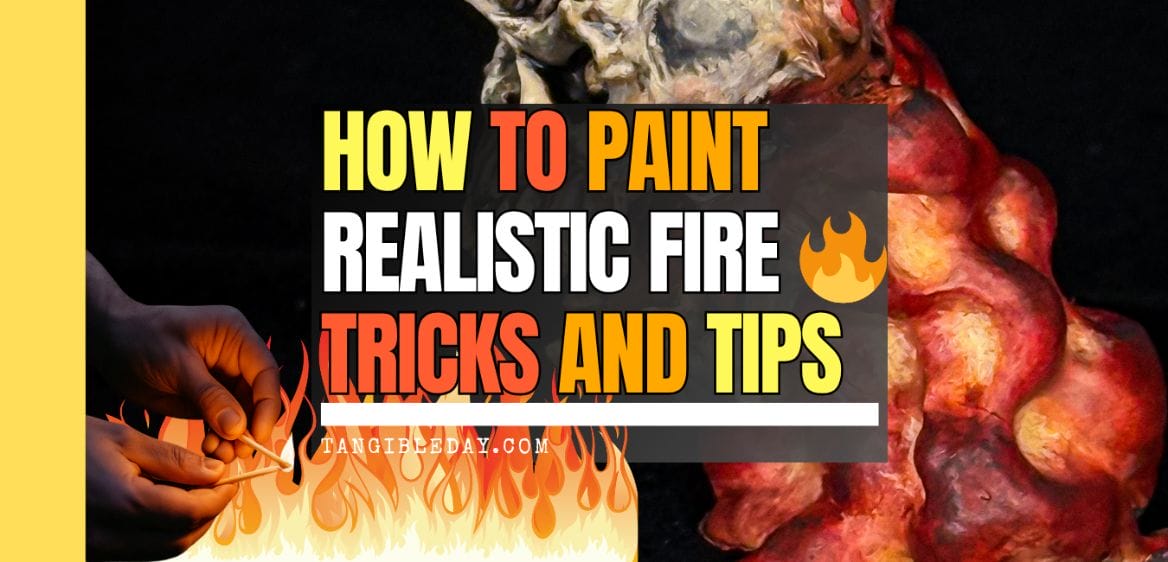
Ever painted a flame and ended up with something that looked more like a blob of ketchup and mustard than fire? You’re not alone. Painting fire can be deceptively tricky. Many painters instinctively highlight the outer tips, but real flames glow brightest at the core. In this guide, I’ll walk you through the one trick
How to Paint Realistic Flames: The Trick You Need to Know! Read More »
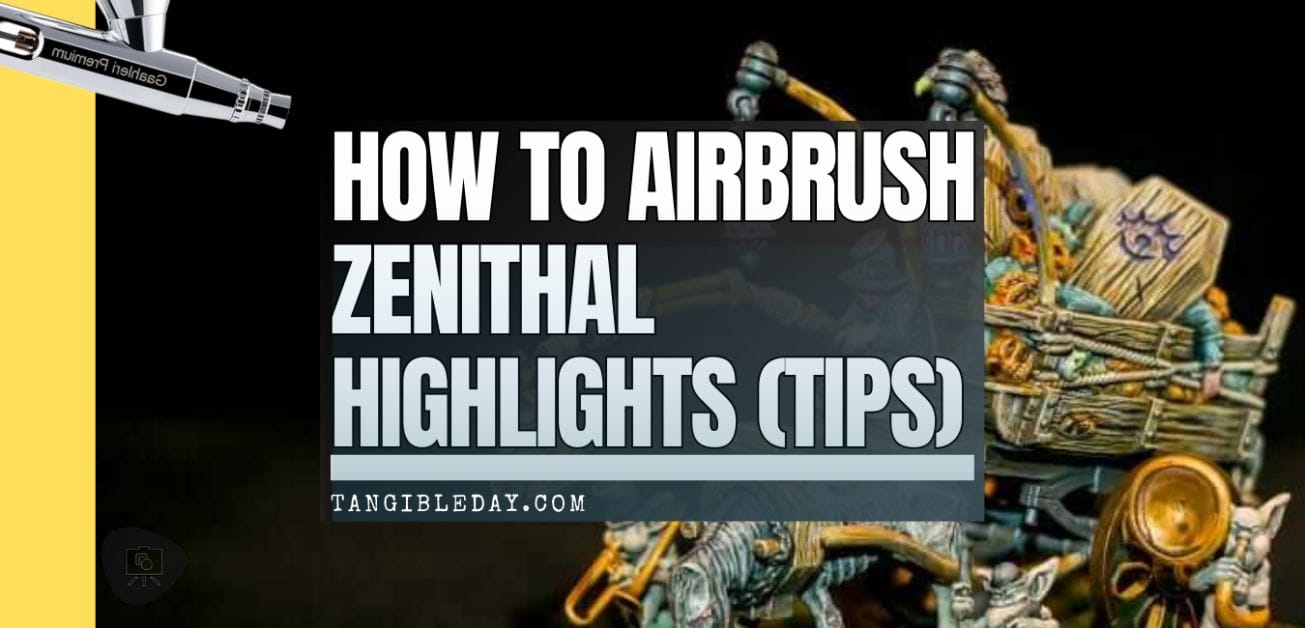
Do you want a fast and easy way to paint highlights on miniatures? Zenithal highlighting is a technique that quickly reproduces the light and shadows produced by an imaginary light source directly over the subject. Using a spray can or airbrush with a bright color, usually white, you spray directly downward onto a dark-colored model.
How to Airbrush Zenithal Highlights (Fast & Easy) Read More »
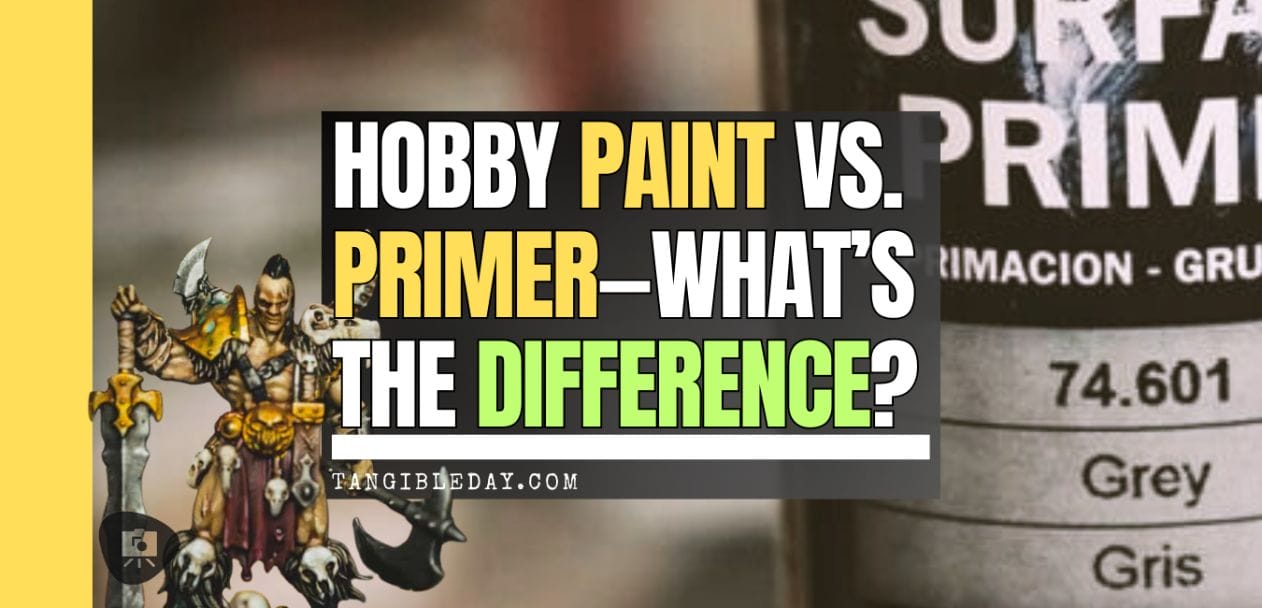
Ever spent hours painting a miniature, only to watch the paint chip away after a few gaming sessions? Frustrating, right? One of the biggest reasons this happens is skipping an essential first step—priming. You might wonder: Can’t I just use regular hobby paint to get started? It’s a common question, and the answer lies in
What’s the Difference Between Hobby Paint and a Primer for Miniatures? Read More »

Non-metallic metal (NMM) painting is the technique of using regular paint (without metallic content) to give the illusion of a metallic, reflective surface. In general, NMM requires high contrast painted with smooth transitions from light-to-dark. There are many technique you can use to blend color in the NMM style of painting miniatures. You can wet-blend,
Non-Metallic Metal (NMM) Sword (Blending with the Loaded Brush Technique) Read More »