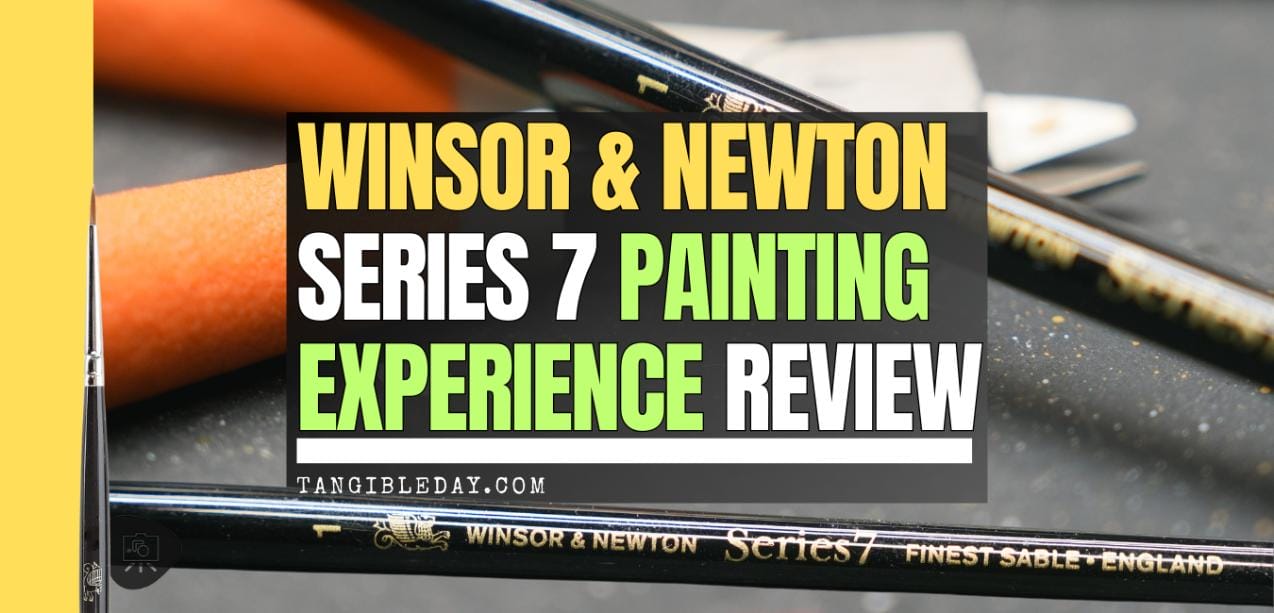
Have you ever wondered if investing in a high-end paintbrush could actually improve your miniature painting? I asked myself the same question when I first bought the Winsor & Newton Series 7 Kolinsky Sable size 1 brush. It’s legendary among miniature painters for its precision and performance, but at over $20 a brush, I had to know: is it really worth it? After years of painting, experimenting with alternatives, and finally revisiting this premium tool, I’ve got some answers for you.
In this article, I try to break down some thoughts about the Series 7 paint brush. If you’re considering adding this tool to your collection—or if you’re just curious about what makes it so special—I think you’ll find this helpful!

Key Takeaways:
- The Series 7 Kolinsky sable bristles make techniques like layering, glazing, and wet blending easier and more precise.
- Worth the Investment? If you’re serious about painting miniatures, it can save time and frustration. Beginners might stick with budget brushes until they’re ready to level up.
- Clean your brushes and store them properly. You can expect a well-care for brush last up to 6-12 months or longer.

Why Winsor & Newton Series 7 Brushes Are Famous
If you’ve been painting miniatures for a while, you’ve probably heard about the Winsor & Newton Series 7. They’re practically a rite of passage for serious painters. The Kolinsky sable bristles, sourced from Siberian weasels (yes, really), are known for their natural spring, durability, and ability to hold a perfect point.

What I love most is the black lacquer handle. It feels sleek, professional, and comfortable, even during long painting sessions. Plus, the brush looks great sitting on your hobby desk—though I think we’d all be happier using them until they are worn and seasoned. 😀

Other brushes like the Raphael 8404 and Da Vinci Maestro are strong competitors, but there’s something about the Winsor & Newton Series 7 that feels timeless. Want to see how these compare? Check out my guide to The Best Brushes for Painting Miniatures and Models.

My Journey with the Series 7
When I first started miniature painting, I jumped straight into buying the Winsor & Newton Series 7. Everyone online seemed to swear by them, so I figured they’d instantly make me a better painter. Spoiler alert: they didn’t. My skills weren’t developed enough to justify using a $20 brush, and I quickly wore them out.

Eventually, I switched to cheaper synthetics and the Army Painter Regiment Brush, which became my workhorse for everyday tasks.

If you’re new to miniature painting, I recommend starting with brushes like these to build your skills without breaking the bank. You can read more about my experience in The Army Painter Regiment Brush Review.

Years later, I revisited the Series 7, and wow—what a difference. My techniques had improved, and using a high-quality brush felt like upgrading to the right tool for the job. Wet blending, layering, and glazing were smoother and more precise, and I spent less time fighting with stray bristles or poor paint flow.

How the Series 7 Performs
The Winsor & Newton Series 7 excels in techniques that demand precision and control:
- Layering and Glazing: It holds a sharp point, making it easy to lay down smooth, even coats or transparent glazes for blending colors.
- Wet Blending: The natural spring of the bristles allows you to blend paint while it’s still wet, creating seamless transitions.
- Fine Detail Work: From edge highlighting to painting tiny eyes, the brush provides unmatched accuracy.

However, don’t use these brushes for basecoating or priming. Save those tasks for an airbrush or a large synthetic brush. I’ve written about budget-friendly tools for these tasks in D’Artisan Shoppe Miniature Paint Brush Review.

Pro Tip: Keep your bristles damp while painting. This prevents paint from drying out and flaking on the brush, protecting the bristles and prolonging their life.
Is It Worth Spending $20 or more on a paint Brush?
The answer depends on where you are in your miniature painting journey.
- If You’re Just Starting Out: Stick to affordable synthetic brushes until you’ve built up your skills. No need to invest in premium tools if you’re still learning the basics.
- If You’re Experienced: The Series 7 is worth every penny. It eliminates the frustration of fighting with lower-quality brushes and allows you to focus on refining your techniques.
One of the biggest advantages of using a premium brush is that it removes excuses. When your tool isn’t holding you back, you can concentrate on improving your craft.

Caring for Your Winsor & Newton Brushes
Taking care of your brushes is essential, especially if you’re spending $20 or more on a single tool.
- Clean After Every Use: Use brush soap and warm water to remove paint and restore the bristles.
- Store Properly: Keep your brushes upright or in their protective plastic tubes.
- Avoid Overloading: Don’t dip the brush too deeply into paint to protect the ferrule and bristles.
For a full guide, check out Miniature Paint Brush Care Tutorial.

Alternatives to Consider
If the price of a Series 7 feels steep, there are plenty of great alternatives:
- Raphael 8404: Similar performance with slightly longer bristles.
- Da Vinci Maestro: Another premium option with excellent control.
- D’Artisan Shoppe Miniature Brushes: Affordable synthetics perfect for beginners.
Learn more about these options in The Best Brushes for Painting Miniatures and Models.


Conclusion
Well, there you have it. Are Winsor & Newton Series 7 brushes worth it? For me, they absolutely are, yes—at least now that I’ve developed the skills to use them to their full potential. They’ve helped me paint better, faster, and more enjoyably. In fact, I’d say you’re not really spending money on a paint brush, a tool; rather, I’d say you’re buying an experience. 😇
If you’re curious, I’d encourage you to try one. Even if it’s just for a few special projects, the experience of using a premium tool is something anyone semi-serious about the hobby should test drive.
So, what do you think? Have you tried the Winsor & Newton Series 7, or do you have a favorite brush that’s your go-to? Let me know in the comments below, and check out more tips and tutorials.
Enjoying Your Visit? Join Tangible Day
Free newsletter with monthly updates (no spam)


Tangible Day on YouTube (Miniatures and More!)