I’ve been playing a lot of video games lately, partly because they are easy to get into. As a busy adult, video games are great escapism, especially the action RPGs, e.g., Diablo-esque. But, I miss the tabletop experience—the miniatures, the strategic layout, and the top-down perspective that offers control and immersion. As I dabble into all these games, primarily through the addiction that my Steam account, I see so many video games with rich worlds and mechanics that would make amazing tabletop mini games.
Here are ten video games I believe would work exceptionally well as miniature games and why they’re worth considering.

Board game with Miniatures or Tabletop Game?
Before I dive into the video games that I think should be miniature tabletop games, I need to make a distinction. There are a lot of video games that have board game adaptations. But, what I’m talking about in this post is the “tabletop miniature game”.
So, what does this mean?
When it comes to gaming with miniatures, I’ve found there are two distinct experiences: tabletop games and board games with miniatures. While both involve those collectible little figures we all admire, they couldn’t be more different in what they offer.
Tabletop games, like Warhammer 40k, are expansive and creative, combining strategy with the hobby of assembling and painting miniatures. They have intricate rules and often involve ongoing campaigns.

Board games with miniatures, like Zombicide, are more accessible. They come with pre-assembled figures, streamlined rules, and preset boards, making them quick to set up and play.

For an in-depth look at the history of this connection, check out Tabletop Wargaming History 101.
For me, tabletop games are perfect when I want a deep, creative experience, while board games are great for quick, social gameplay. Both offer unique ways to enjoy miniatures, depending on your time and interest.
| Aspect | Tabletop Game with Miniatures | Board Game with Miniatures |
|---|---|---|
| Scope and Scale | Large-scale, with modular terrain and expansive play areas. | Confined to a preset board or grid with defined boundaries. |
| Rules Complexity | Intricate rules, often involving measurements and detailed stats. | Streamlined rules for quicker gameplay and easier learning. |
| Customization | Players assemble and paint their miniatures. | Miniatures are pre-assembled and often pre-painted. |
| Game Format | Campaign-based or scenario-driven, encouraging long-term play. | Designed for one-off sessions or short campaigns. |
| Player Roles | Players control squads or armies with a focus on strategy. | Often cooperative or semi-cooperative, focused on teamwork. |
| Setup Time | Longer, with terrain and miniatures requiring preparation. | Shorter, with components ready for immediate play. |
| Example Games | Warhammer 40k, Infinity. | Zombicide, Gloomhaven. |
Video Games Into Miniature Tabletop Games: Yay or Nay?
Look. It’s not for everyone. Tabletop mini games require time, enduring a learning curve—that may or may not be steep—and a friend or two. It requires an investment of time, money (quite a bit), and the expenditure of human capital. Sure, you can play tabletop games alone, there are a few good ones you can solo (Descent comes to mind), but ultimately, it’s the in-person social aspect that requires your investment.

Enter the video game. It’s easy because you can be alone. You don’t need to spend a lot, and you can play literally anytime of day you like. But, what you gain in the screen, you lose in the experience of a hobby that has no match.
Roll dice. Move hand-painted figures, and share a laugh (cry or scream) with someone else in the same room. Yup. It’s an investment, but one that pays you back in ways that pixels don’t come close.
Some video games are uniquely suited for adaptation, featuring tactical combat, rich narratives, and detailed settings that align perfectly with tabletop gaming. If you’re new to this hobby, explore What is Tabletop Wargaming? (20 Best Miniature Wargames) for inspiration.
Read on to see my top picks based on my gaming experiences. Oh, and come back later as I update this post!
1. StarCraft: Galactic Conquest
The epic scale and tactical depth of StarCraft make it a natural fit for a true tabletop miniature game adaptation. There was a Starcraft board game (now discontinued). But, in terms of a pitched game on a tabletop, no such Starcraft IP has emerged.
Update: A new StarCraft miniature game (skirmish) for the tabletop has been announced! Check out the full StarCraft miniatures game preview.
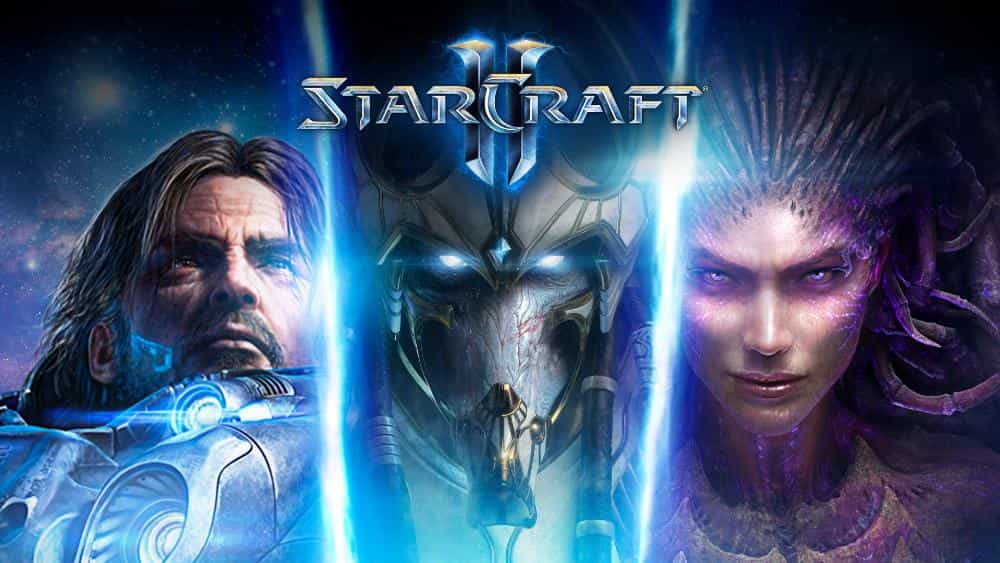
Game Concept: Players control factions like the Terran, Protoss, or Zerg, managing squads, vehicles, and structures across customizable, modular battlefields. The game could feature base-building, resource management, and large-scale skirmishes, with unique miniatures for iconic units like Zealots, Zerglings, and Siege Tanks. Campaigns could expand into planetary conquests, with persistent resources and faction upgrades.
Could It Work?
The scale and modularity of StarCraft’s universe perfectly suit the expansive play areas and intricate rules of tabletop miniature games. Painting units like Siege Tanks or Mutalisks offers a creative hobby aspect, while campaigns provide long-term strategic satisfaction.
Players would balance resource gathering with base-building mechanics, utilizing modular terrain to simulate planetary environments. Faction-specific mechanics could include Zerg’s ability to spawn units faster but requiring more resources, Terran’s emphasis on defensive structures, and Protoss’s expensive but powerful units. Dynamic events, such as nuclear strikes or Zerg infestations, could add layers of unpredictability to battles, requiring adaptable strategies.
2. XCOM: Squad-Based Alien Combat
The tactical combat of XCOM makes it a natural fit for miniature adaptation. Its emphasis on squad management and high-stakes decision-making translates well to the tabletop.
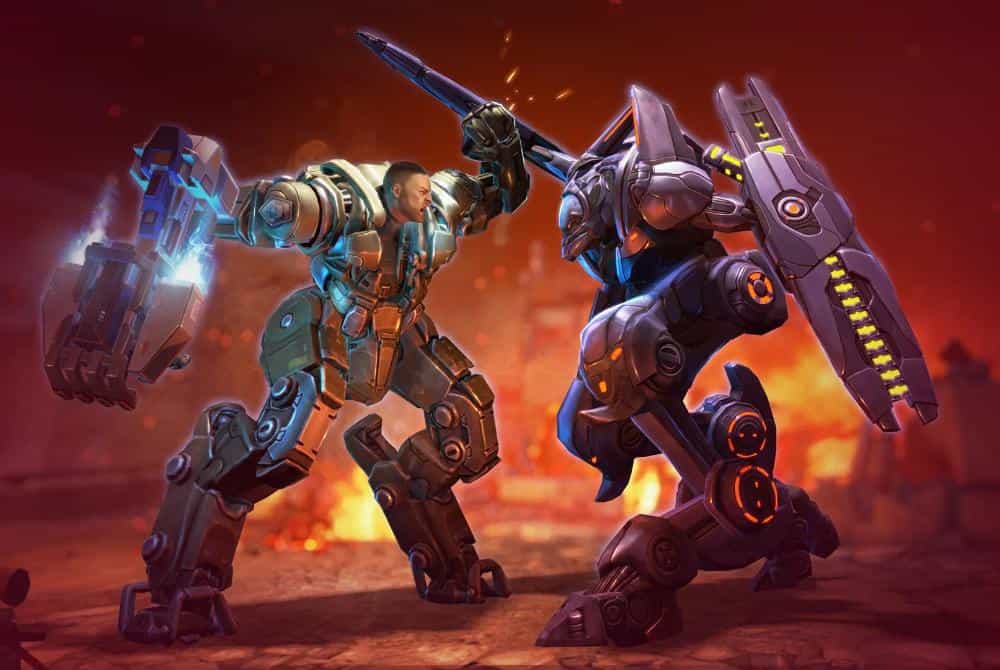
Game Concept: Players control squads with unique abilities and gear, battling aliens like Sectoids and Chryssalids across dynamic maps. Objective-based gameplay and terrain modifiers keep the experience fresh. A similar game mechanic from the Fallout series could work as inspiration, too.
Could It Work?
Intricate rules for cover and overwatch systems, coupled with customizable miniatures, make XCOM an ideal fit for tabletop gaming. Its squad-based focus aligns with the strategic depth and replayability of the genre.
Players would manage action points for each unit, balancing movement, attacks, and defensive abilities like overwatch. Terrain modularity would include destructible cover, alien pods with randomized enemy spawns, and 3D elements like elevated platforms. A threat tracker could escalate alien activity, increasing difficulty as the campaign progresses. Unique soldier customization, such as classes (e.g., snipers, medics) and skill trees, would allow long-term progression and player investment.
3. Elder Scrolls: Tamriel’s Wars
No, I’m not talking about the Elder Scroll board game. Instead, I’d love to see some themed, sprawling world of The Elder Scrolls series designed as a large-scale tabletop miniature game.
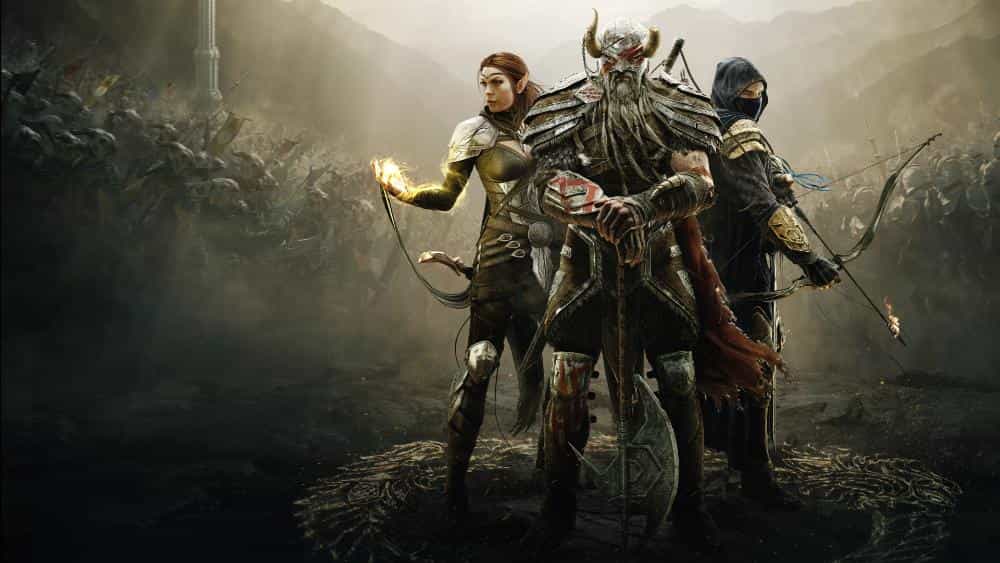
Game Concept: Players command armies from factions like the Empire, Stormcloaks, or Daedric forces across a customizable battlefield. Modular terrain, faction-specific units, and campaign-driven gameplay allow players to recreate epic battles across Tamriel. Character-based skirmishes and large-scale wars provide variety, and expansions could introduce new regions like Morrowind or the Summerset Isles.
Could It Work?
The combination of intricate stats, customizable miniatures, and expansive terrain aligns perfectly with the tabletop miniature game format. Tamriel’s rich lore provides endless opportunities for creative campaigns and strategic battles. Players could leverage faction-specific abilities, such as the Stormcloaks’ guerrilla tactics, Daedric forces’ summoning abilities, or Imperial Legions’ disciplined formations.
Modular terrain might include magical portals, traps, and destructible environments. A spellcasting mechanic could involve customizable spell lists with area effects and buffs, adding a layer of tactical complexity. Persistent campaigns could introduce territory control, unlocking new resources and special units based on captured regions.
4. Half-Life: Survive the Combine
Half-Life’s tension-filled gameplay and memorable enemies create an engaging backdrop for a campaign-based miniature game.

Game Concept: Players control Gordon Freeman and allies, navigating modular environments populated with headcrabs, Combine soldiers, and Striders. Players could control foes or friend, contest zones on a table. Dynamic hazards enhance the gameplay.
Could It Work?
The survival mechanics and iconic foes make it a compelling choice for adaptation. A Half-Life miniature game could emphasize asymmetry, with one player controlling Gordon Freeman and allies while the other commands Combine forces.
Modular terrain, customizable characters, and intricate stats for survival mechanics make Half-Life an excellent fit for a tactical, miniature-driven tabletop game. Gamers would manage limited resources, such as ammo and health, with dynamic objectives like securing supplies or rescuing NPCs. Enemy or opponent mechanics could allow Combine forces to adapt to other players’ strategies, deploying reinforcements or setting up ambushes. Hazardous environments, such as radiation zones or headcrab infestations, could force players to adapt their plans. Campaign progression might include unlocking new tools, such as the Gravity Gun, or allies like Dog, which offer unique gameplay advantages.
5. Horizon Zero Dawn: Machines of the Wilds
The rich world of Horizon Zero Dawn offers a perfect setting for a tabletop miniature game, blending tactical combat with survival and exploration elements. Yes, there’s a board game… but I want more minis!

Game Concept: Players control hunters like Aloy and other characters, using miniatures to represent human survivors and robotic creatures. Modular terrain showcases diverse environments like forests, deserts, and ruins, with gameplay centered on resource collection, crafting, and combat against iconic machines like Thunderjaws and Stormbirds. Campaigns could include cooperative and competitive modes, where players either team up to survive or compete for resources while fighting against increasingly difficult threats.
Could It Work?
The game’s mix of strategy, exploration, and highly detailed robotic enemies aligns perfectly with the tactical and creative appeal of tabletop miniature gaming. Painting the intricate machine designs and crafting unique strategies for dismantling them are perfectly suited for tabletop hobbyists. The combination of exploration, survival, and combat mechanics enriches the long-term appeal.
Players would use a mix of stealth and direct combat, with specific rules for targeting machine weak points. A crafting system could allow players to build traps or ammunition mid-game using resources collected from the terrain. Machines might have adaptive AI mechanics, responding to player tactics by switching to ranged attacks or calling reinforcements. The terrain would feature environmental hazards, such as cliffs or fire zones, adding complexity to movement and positioning strategies.
6. Total War: Historical Miniatures
The grand strategy and tactical combat of the Total War franchise would translate beautifully into a tabletop miniature game. There are so many—take your pick! But, as a fan of the historical genre of the Total War series, those would be my choice.
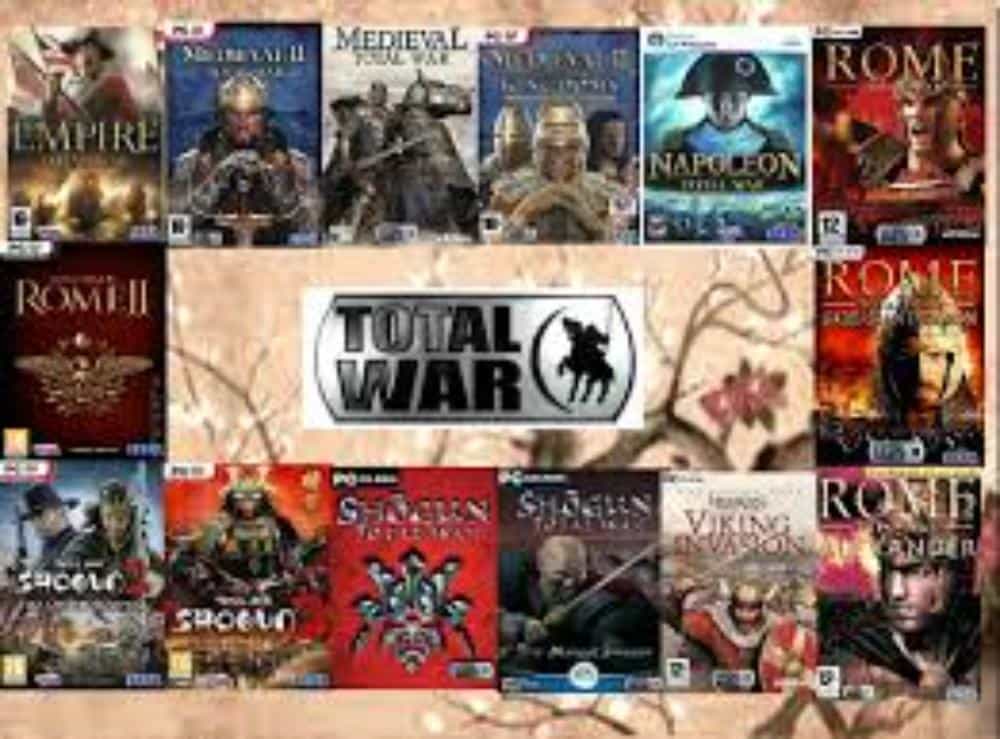
Game Concept: Players take command of historical factions—like the Romans, Mongols, or Samurai—and engage in large-scale battles using modular terrain. Rules could include unit formations, morale, and terrain advantages. Campaign play would allow resource management and territory expansion, providing a deep, immersive experience.
Could It Work?
This is a natural fit for a tabletop wargame with miniatures. The tactical depth, modularity, and focus on historical realism make it an ideal choice for tabletop miniature gaming enthusiasts. The scale, customization, and strategic depth of Total War align naturally with tabletop miniature gaming. The ability to recreate historical battles provides an immersive and rewarding experience.
Command armies with rules for formations, morale, and fatigue. Terrain features like rivers, forests, and forts would provide tactical advantages or obstacles. Players could manage supply lines, impacting unit effectiveness over extended campaigns. Unique faction traits—like the Mongols’ cavalry superiority or the Romans’ defensive strength—would create asymmetry, encouraging varied playstyles. Persistent campaigns might allow players to reinforce armies between battles or upgrade units with better armor and weapons.
7. Age of Empires: Kingdoms at War
The classic real-time strategy game Age of Empires can thrive as a tabletop miniature game by emphasizing resource management and historical battles. History buffs, behold!

Game Concept: Players start with small settlements and grow their empires by collecting resources, building structures, and training units. This could be a side-board, or mini game. Then as a campaign progresses miniature enter battle.
It would include detailed figures of soldiers, cavalry, siege engines, and iconic buildings like castles. Scenarios could feature historical campaigns or custom battles, allowing players to conquer and defend territories.
Could It Work?
Similar to Total War in its historical motif. Age of Empires would focus on resource management and gradual progression toward large-scale battles fits perfectly within the scope of tabletop miniature games, offering both creative and strategic fulfillment. You build settlements using modular tiles for farms, mines, and buildings, while managing villager miniatures for resource gathering.
Technological advancements could unlock new units, abilities, and upgrades, with distinct advantages for each civilization. Battles would feature detailed unit interactions, with bonuses for combined arms tactics (e.g., cavalry charging exposed archers). Campaigns might include historical scenarios where players recreate famous conquests or defensive stands, adding narrative depth.
8. Stellaris: Build Galactic Empires
The grand strategy of Stellaris lends itself to a competitive and customizable miniature game.
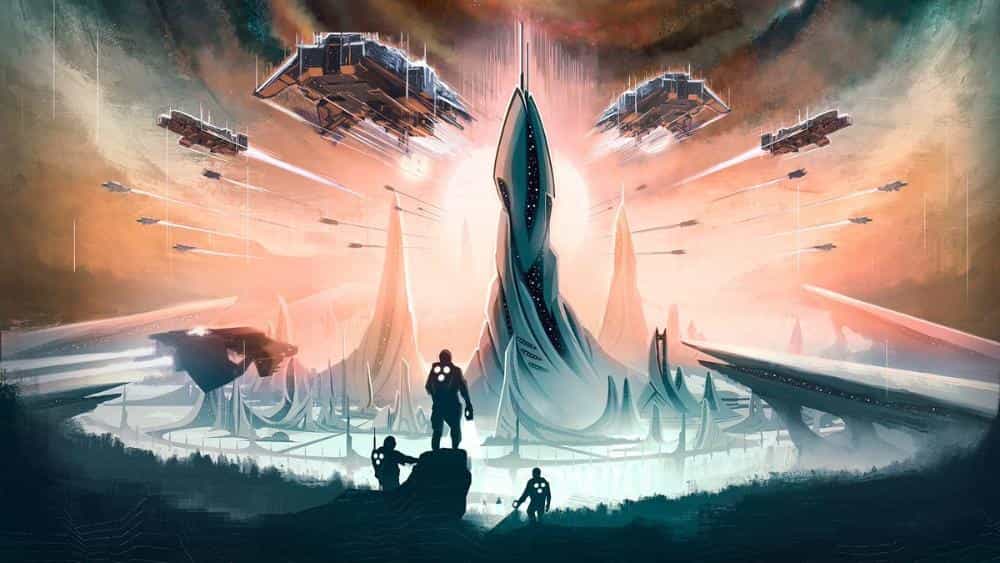
Game Concept: Players expand galactic empires using miniatures for fleets, planets, and space stations. Diplomacy and exploration mechanics add depth. In my brain, I also imagine games like Axis and Allies as a good model for mechanics—simple, yet deep.
Could It Work?
A sci-fi spin on war in space—space opera at a macro level. The open-ended customization and strategic focus of Stellaris align with the immersive hobby elements of tabletop miniature gaming. Players would explore star systems using modular tiles, discovering anomalies and setting up colonies. Fleets could be customized with modular ship miniatures, each featuring unique loadouts for weapons, defenses, and support systems. Diplomacy mechanics might involve alliances or betrayal, impacting trade routes and territory control. Campaign progression would allow for research upgrades, unlocking advanced units like titanic warships or orbital stations. A galactic crisis mechanic could add cooperative elements, forcing players to unite against a common threat like an AI uprising or ancient invaders.
9. Diablo: Gothic Dungeon Hack and Slash
The dark, fast-paced action of Diablo lends itself to a cooperative dungeon-crawl game. Whether it is the early years with Diablo 2, or the more open world styled Diablo 4, these are games that provide lots of material for a tabletop genre type game. I’d love to see these miniatures in tabletop form.

Game Concept: Players control heroes like the Barbarian or Sorcerer, battling through randomized dungeons filled with monsters. Bosses like Diablo and Baal serve as dramatic centerpiece miniatures. Sure, the RPG board game genre has reached a saturation point, but the Diablo IP is ripe (ripe!!!) for this us fans.

Could It Work?
The dream or nightmare of a tabletop game could work really well! First, the dark aesthetic and loot mechanics provide a compelling backdrop for a miniature game. Painting miniatures and customizing equipment aligns with the creative aspects of tabletop gaming. With expanded mechanics like software-procedurally generated dungeon layouts (using an accompanying app), facing randomized enemy waves and environmental hazards would be amazing. Loot mechanics could involve card draws, with weapons and armor offering stat boosts and special abilities. Boss battles would use detailed miniatures with phase-based combat, requiring players to adapt strategies mid-fight (again driven with an app for connivence and dynamic play). A leveling system would allow players to upgrade skills and stats, while campaign persistence could involve unlocking new heroes or dungeon scenarios.
10. World of Warcraft: Epic Skirmishes and Raids
World of Warcraft’s expansive lore and diverse factions make it a strong candidate for a miniature tabletop game adaptation. Yes, indeed, there is a WoW board game, and it even has standees, but it’s not a tabletop miniature game per say.

Game Concept: Players control Horde or Alliance heroes in skirmishes or raid scenarios. Just like in PvP matches in the game, pitched battles would rage on storied landscapes. This would make for some epic conflict on your kitchen table or at your nearest local game store.

Could It Work?
This is a classic game. I’m shocked this hasn’t appeared as a tabletop game of some sort beyond the board game iterations that I’ve seen (which didn’t stick).
The rich world-building and faction diversity are ideal for tabletop gaming. World of Warcraft could emphasize large-scale battles with faction-specific miniatures, like the Horde’s orcs and the Alliance’s paladins. PvP mechanics could include zone control and resource gathering, with players earning upgrades for their armies. Raids could involve cooperative play, where multiple players unite against AI-controlled bosses (card based or with an app, a la Mansions of Madness) with unique mechanics.
Expanded mechanics for broad pitched skirmish-sized battles with the use miniatures could represent iconic characters, with unique abilities tied to their class (e.g., healers, tanks, DPS). Terrain would include tiles for zones like dungeons or battlegrounds, with raid mechanics featuring scripted boss attacks and phases.
Faction-based campaigns could involve resource control and PvP skirmishes, where players strategically balance offensive and defensive objectives. A progression system might allow players to acquire new gear or abilities, mirroring the MMORPG experience in a tangible, tabletop format. Expansions could add new factions, characters, and scenarios, keeping the game fresh for long-term players while immersing them in Azeroth’s lore-rich world.
Final ThoughtS
For me, I want a video game I love re-manifest as a miniature tabletop game. I want a hobby that I can indulge in that goes beyond the digital screen. Immersion, the tactile, visceral experience that only a miniature hobby could satisfy is what I want from the best digital gaming IPs out there.
As I play through video games with rich lore, strategic gameplay, and dynamic systems, I can’t help but imagine how well they’d adapt into tabletop miniature games. Recreating battles from StarCraft with painted Zealots and Siege Tanks, or venturing through a Diablo-inspired dungeon crawl using personalized miniatures and procedurally generated maps, would bring a whole new layer of engagement. These adaptations could combine the innovation of digital games with the tactile creativity and social interaction I love about tabletop gaming.
Of course, this is all my opinion. I wonder if others feel the same. It’s a wide, wide world out there. So, much I haven’t touched in my brain yet. Cyberpunk comes to mind. Yet, how would these other genres work? Red Dead Redemption? Grand Theft Auto as a miniature game? Holy smokes, how in the world would these work as a miniature game?
Wrack as I could over the mechanics of it all, I will do only what I’m inclined to do…play more, think less!
What video games do you think would make an amazing tabletop miniature game? Let me know in the comments—I’d love to hear your thoughts!
Enjoying Your Visit? Join Tangible Day
Free newsletter with monthly updates (no spam)




Tangible Day on YouTube (Miniatures and More!)