The best paint stripper does the job of removing surface paint, varnish or primer, effectively, without damaging the model surface underneath.
We all know paint strippers can work and the issue isn’t finding the strongest product, but the best paint stripper for miniatures is one that gets the paint off without damaging the model underneath. As a commissioned painter, I’ve been tasked by clients to take used, old minis and improve or repaint them.
In this article, I share my research and experience with paint strippers, and the best practice for “starting over”. Here, I will walk you through the options for stripping hobby paint from plastic, resin, metal, and even finecast miniatures.

KEY POINTS
- Learn exactly how to strip paint safely from plastic, resin, and metal miniatures without damaging details.
- See which paint strippers actually work and when to use IPA, Simple Green, or stronger removers.
- Follow a simple, repeatable workflow that shows how long to soak, how to scrub, and how to avoid common mistakes that could ruin your miniatures.
RELATED: HOW TO USE AN ULTRASONIC CLEANER TO CLEAN MINIATURES AND MODELS
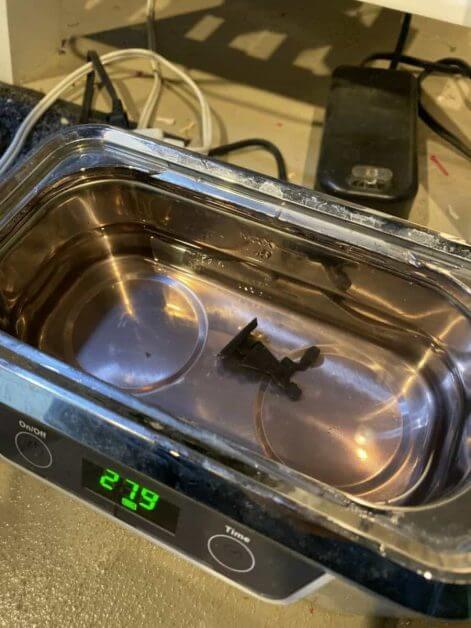
THE PROBLEM?
Well, I’ve done it. I’ve painted a mini and I hate it. I’ve even painted over the older layers trying to fix things, but now it’s lost all those details and the paint is clumpy. I want to start over—but how? I don’t want to buy another model, and there are paint strippers, but — “Omg, am I going to melt my minis with chemicals?”—“Is it even going to work?”
Read on to learn how to safely strip paint off miniatures, and a review of my recommended products for any hobby paint removal need.
Quick Tips for Safely Removing Paint from Any Miniatures and Models
- Safest starting point for plastic miniatures: Use high-concentration isopropyl alcohol (IPA 91–99%) or full-strength Simple Green, soak for 1–24 hours, and check regularly for any softening or warping.
- Safest option for unknown resin: Start with short full-strength Simple Green soaks (30–60 minutes), check frequently, and stop immediately if the model feels rubbery or flexible.
- For metal models: IPA, Biostrip 20, or a purple degreaser all work well; use acetone only on metal, in short contact times, with good ventilation and gloves.
- For any material: Scrub with a soft toothbrush or cotton swab, avoid metal tools on softened details, and always rinse in warm, soapy water between stripping cycles.
- Save money: You can “reuse” most paint stripper solutions multiple times. This will save you money and avoid waste. You can strain your stripper solutions if they get cloudy or full of floating paint debris.

Start Here: Your Miniature’s Material Matters
Miniatures are not industrial parts. Whether it’s Warhammer 40k infantry, DnD character minis, or scale model tanks, they are a mix of:
- Polystyrene plastic (most modern wargame kits or scale models, eg., military, gunpla)
- Soft or brittle resin (board game minis, boutique or premium sculpts, e.g., Forgeworld, 3D prints)
- White metal or pewter
- Super glue and plastic cement holding everything together
Paint stripping hits all of that at once. The wrong product, or the right product used carelessly, can:
- Soften or warp plastic and resin
- Round off crisp edges and fine textures
- Break glue joints and send tiny pieces spiralling into the carpet
- Leave a greasy film that fights new primer and paint
Good paint stripping from miniatures is about control. It’s a science (and an art). The ultimate goal is simple: Get back to a clean, paintable surface with no or as little damage to the sculpt as possible.
How paint strippers interact with plastic, metal, and resin
Before looking at specific products, it helps to know what is happening at the material level. Most hobby acrylics—Citadel, Army Painter, Vallejo—sit as a polymer film on top of the model.
- Acrylic paints and primers are polymers that sit on the surface of the model. Strippers work by softening this layer so you can scrub it away.
- Plastic and resin are also polymers (materials made of molecular units, i.e., monomers, bonded together into multiple units, e.g., polymers). Strong solvents break up polymers and many do not know the difference between “paint polymer” and “miniature polymer.” The wrong paint stripper will “attack” both.
- Metal is the most resilient sculpt/miniature material and mostly unaffected by paint strippers. That is why some very aggressive products are considered safe for metal but a disaster for plastic.
- Resin, unlike plastic or metal, is unpredictable. Some modern casting resins tolerate short soaks in IPA or mild cleaners without any change, while others soften, swell, or turn rubbery if you leave them too long or step up to harsher products.I’ve had this happen to me with some test resin parts from ForgeWorld, or those cheaper resin sculpts you may find on eBay.
If you do not know exactly what kind of resin you are trying to strip paint from, especially older Finecast materials or board-game plastics, treat it as fragile.
Always test your stripper on a spare bit or hidden area first, and keep the first soak short so you can see how the material reacts.
This is why the first decision is always:
- What is the miniature made from?
- How aggressive do I really need to be?
With that in mind, here are my findings and experience with workflows for multiple solvent paint strippers. These should be safe and reproducible without a lot of effort on your part.
Remember, stripping paint from miniatures is both a science and an art.
The safest, basic workflow for Paint stripping any miniature
Stripping paint is a cycle you repeat until you get the result you want. Like painting a miniature in multiple thin layers instead of one thick coat, taking your time with each stripping step will give you a much cleaner final result.
- Pre-clean the model
- Rinse in warm water with a drop of dish soap.
- Gently scrub with a soft toothbrush to remove dust, skin oils, and loose grime.
- Choose a conservative product for the first round
- For plastic and resin, start with isopropyl alcohol, Simple Green, LA’s Totally Awesome, or a similar mild to moderate cleaner.
- Reserve the heavy hitters for truly stubborn cases.
- Soak in a ventilated area (if using alcohol or other volatile solvents)
- Place the models in a glass or sealed (solvent-resistant) plastic container.
- Pour enough solution to fully submerge them.
- Cover the container to reduce fumes and evaporation.
- Time the soak
- Start with one to two hours for IPA and similar products, or overnight for slower cleaners.
- Set a timer. “I’ll check later” is how minis end up forgotten in a tub for a week.
- Scrub (gently at first)
- Use a soft or medium toothbrush, cotton swabs, and wooden toothpicks. For more aggressive scrubbing (on metal minis) I have an old, cheap electric toothbrush, too.
- Let the product do the heavy lifting; your job is to move the softened paint. Don’t apply too much pressure to avoid damaging the underlying sculpt material. Don’t use metal tools or brushes.
- Rinse and repeat as needed
- Rinse in warm soapy water, inspect the surface, and repeat the soak–scrub cycle if needed (go back to step 1).
- Only step up to a harsher product when the milder ones clearly cannot touch the remaining paint. Expect some super-glued joints to loosen, especially on metal miniatures and older or second-hand models. This may actually help, as each subassembly is easier to strip when it’s separated.
As a rough guide to soak times, high-concentration IPA usually needs one to several hours for most plastics and metals, and many painters are comfortable leaving hard plastic in overnight. Remember, you can reuse most paint strippers over and over. When the bath gets cloudy or filled with tiny paint flakes, strain it through a fine mesh and keep using it.
Slower, gentler cleaners such as Simple Green or LA’s Totally Awesome often work best with 24–48-hour soaks, especially on thick or older paint jobs.
Stronger, purpose-made removers like organic gels or purple degreasers are better approached in 30–60 minute sessions, extending only if the model’s material still looks and feels unchanged when you check it. Be careful with these types of industrial paint removers, as they will melt plastic models over time, if left to soak too long. I’ve heard some of these can be diluted, but I’ve not tried this myself.
If you have already pushed past the 48-hour mark and stubborn primer still refuses to move, the issue is usually the coating itself, not the time; switching products is safer than endlessly extending a soak on a fragile sculpt.
The 10 best paint strippers and remover solutions for miniatures and models
1. Isopropyl alcohol (91–99 percent)

If you only keep one stripping product around for plastic and resin miniatures, high-concentration isopropyl alcohol is a strong contender.
Best for
- Plastic and many resin miniatures with acrylic paints and primers
- Stripping multiple layers of acrylic without instantly destroying details
How to use
- Use 91–99 percent IPA in a sealed container
- Soak for one to several hours, then scrub.
- Warning: Do not use an ultrasonic cleaner with IPA. The fumes are flammable and the heat from the bath, or electric power may ignite the evaporating alcohol-gas.
- For heavy build-up you can safely repeat this cycle several times on plastic and metal. On resin, shorten the soak and inspect more often.
Pros
- Relatively inexpensive and widely available
- Fast compared with many household cleaners
- Evaporates cleanly without leaving residue
Cons
- Flammable, with strong fumes in enclosed spaces
- Can dry out skin quickly; gloves are a good idea
- Some primers and varnishes resist IPA and may only soften slightly
When I reach for IPA first
- Plastic Warhammer units bought second-hand
- Models constructed with polyurethane-based plastics
- Resin character models where I want control and shorter, repeated soaks
- Cases where I need something stronger than a kitchen cleaner but not full industrial stripper strength
For most plastic miniatures, a high-concentration alcohol or a mild cleaner like Simple Green or LA’s Totally Awesome is the safest starting point: they give you a wide margin of error on soak time and plenty of warning if something is going wrong.
2. Simple Green All-Purpose Cleaner

Simple Green has been a go-to for miniature painters for years. It is slower than IPA, but gentle and forgiving.
Best for
- Plastic and resin miniatures when you are worried about damage.
- Long, lazy soaks where time is less important than safety.
How to use
- Use it full strength (undiluted) for stripping.
- Soak plastic or resin minis for 24–48 hours, then scrub.
- Repeat as needed for old, thick paint jobs.
Pros
- Non-caustic and biodegradable
- Very low risk of melting polystyrene plastic
- Safe enough for many hobby spaces where heavy solvents are a bad fit
Cons
- Slower to soften paint than IPA or strong degreasers
- Can leave a slightly slick feel if not rinsed thoroughly
- Strong scent some people dislike
When I reach for Simple Green
- Plastic and resin minis where I am not in a rush
- Big batches of eBay rescues that can soak for a couple of days
- Situations where I do not want aggressive fumes in a small apartment or shared home
3. LA’s Totally Awesome Cleaner

LA’s Totally Awesome is a budget-friendly degreaser that many painters use as an alternative to Simple Green.
Best for
- Plastic miniatures with tough acrylic layers
- Painters looking for a cheap stripping solution that still respects models
How to use
- Use it undiluted in a plastic container.
- Soak for several hours or overnight, then scrub.
- Test on resin in shorter cycles to make sure it does not soften the material.
Pros
- Very inexpensive in many regions
- Effective at breaking down paint and grime
- A good step up in strength from mild dish soap soaks
Cons
- Harsher on skin; gloves are a must
- Stronger smell than Simple Green
- Like other degreasers, can weaken super glue joints
When I reach for LA’s Totally Awesome
- Plastic units with stubborn paint or primer
- Large, low-value batches where cost per volume matters
- When Simple Green feels a bit too slow but I am not ready for heavy industrial products
4. Biostrip 20

Biostrip 20 is a water-based, non-caustic paint remover that has become popular among miniature painters, especially in Europe and the UK.
Best for
- Plastic and metal miniatures with heavy, old paint layers
- Painters who want something stronger than household cleaners but less dangerous than classic paint strippers
How to use
- Apply Biostrip 20 directly to the model or immerse it in a small bath.
- Leave it on for 30 minutes to a few hours, depending on the thickness of the paint.
- Scrub under running water with a soft toothbrush.
Pros
- Designed as a paint remover, not just a cleaner
- Effective on stubborn, older paint jobs
- Water-based and lower odour than many “hardware store” strippers
Cons
- Mixed reports on some resins and scenic bases softening or swelling
- Not the cheapest option if you are stripping very large armies
- Can still weaken glue joints over longer soaks
When to reach for Biostrip 20 (or similar water-based paint removers)
- Plastic or metal minis with multiple thick, old paint jobs
- When IPA and Simple Green are not enough but I still want to avoid traditional solvent strippers
- Specific rescue projects where saving the sculpt is more important than cost per model
5. Super Clean or similar purple degreasers

Purple degreasers (often sold as engine or wheel cleaners) are powerful cleaners that many hobbyists use to strip plastic miniatures.
Best for
- Plastic and metal miniatures with heavy paint build-up
- Painters who are comfortable handling stronger chemicals with proper protection
How to use
- Use undiluted in a chemical-resistant container.
- Soak minis for several hours, checking frequently, especially for resin.
- Always wear gloves and work in a well-ventilated space.
Pros
- Very effective on stubborn paint and grime
- Fast-acting compared with many milder options
- Relatively affordable in larger volumes
Cons
- High pH (a base) and can be irritating to skin and eyes (e.g., it’ll feel slippery and uncomfortable on bare skin)
- Can over-strip or damage some plastics if left too long
- Fumes and splashes are no joke; you must treat it like a serious chemical
When you should reach for purple degreasers
- Hard plastic or metal minis with difficult paint that resisted everything else
- Projects where I am ready to accept a bit more risk to salvage an otherwise ruined model
6. Dettol and similar antiseptic cleaners

Dettol and similar antiseptic cleaners are a bit of an older method, but they still come up in miniature paint stripping.
Best for
- Painters in regions where Dettol is easier to find than other options
- Plastic and metal miniatures with older acrylic paints
How to use
- Mix Dettol with water, often at a strong ratio, or use it neat depending on preference.
- Soak for 12–24 hours, then scrub.
- Be prepared for a sticky, gel-like residue that needs thorough washing.
Pros
- Effective on many acrylic paints
- Widely available in some countries as a household product
Cons
- Strong medicinal smell that clings to miniatures and containers
- Can leave a slimy residue if not carefully rinsed
- Not ideal for resin and delicate materials
When to reach for Dettol
- Only when other, more modern options are not available or too expensive
- Specific cases where I already know it works on a certain product line
7. Testors Easy Lift Off (ELO) and similar paint strippers

Testors ELO is marketed directly to modelers as a dedicated paint and decal remover. It can be hard to find, but I’ve noticed this works similarly (and is more afforable).
Best for
- Plastic, resin, and metal miniatures with stubborn paints, varnishes, and decals
- Scale model kits, vehicles, and display pieces
How to use
- Apply as directed by the manufacturer, usually in a well-ventilated area with gloves.
- Limit soak times and check models frequently.
- Rinse thoroughly and dispose of waste fluids responsibly.
Pros
- Designed for hobby materials and paints
- Very effective on tough coatings
Cons
- Strong fumes and more hazardous than household cleaners
- Overkill for simple acrylic paint jobs
- Usually more expensive per volume
When to reach for Testors ELO
- High-value display models with difficult enamel or lacquer layers
- Times when nothing else has worked and I am comfortable with the safety requirements
8. AK Interactive Paint Stripper and similar model-friendly removers
Several hobby brands now offer their own paint strippers designed for miniatures and scale models.
Best for
- Acrylic and enamel paints on plastic, resin, and metal
- Painters who want a “designed for miniatures” product rather than adapting household chemicals
How to use
- Follow the bottle instructions closely.
- Usually brush on or immerse, wait for the recommended time, then scrub and rinse.
Pros
- Formulated with hobby materials in mind
- Often less aggressive than old-school hardware strippers
- Simple instructions aimed at miniature painters
Cons
- Expensive. Price per volume is higher than bulk cleaners
- Not always available locally in every region (ie., hard to find)
When I reach for dedicated hobby strippers
- Smaller projects and high-detail sculpts where I want maximum control
- When I would rather pay more for a product specially-formulated for models than risk an experiment with random hardware chemicals
9. Acetone for metal miniatures only

Acetone is extremely effective but unforgiving. You may already have acetone around your home, also known as nail polish remover (which is also great at removing super glue from your skin). Acetone is best only for metal miniatures, and mostly disastrous for most plastics and resins.
Best for
- Metal miniatures with stubborn enamel or multiple old paint jobs
How to use
- Use only with metal models.
- Dip briefly or soak for short periods while monitoring the model.
- Always wear gloves and work in a very well-ventilated area away from flames or heat.
Pros
- Extremely fast and effective
- Readily available in many hardware and cosmetic aisles
Cons
- Will deform or melt most plastics and resin
- Very flammable with strong fumes
- Can be harsh on skin and eyes
When I reach for acetone
- Only for metal miniatures
- Last-resort rescues where the sculpt is already in poor shape, and everything else has failed
10. Warm water, dish soap, and a good final clean

This is not a paint stripper on its own, but it is the foundation and the last step of every safe stripping process.
Best for
- Pre-cleaning to remove oils and dirt before soaking
- Final cleaning after stripping to remove residues and prepare for primer
How to use
- Use warm (not boiling) water with a drop of mild dish soap.
- Gently scrub with a toothbrush after each stripping cycle.
- Let models dry completely before re-priming.
Pros
- Essential, cheap, and safe
- Reduces the amount of chemical you need in the first place
- Helps you see what is left after each stripping pass
Cons
- Not a magic trick on its own
- Easy to underestimate its importance when you are focused on the “big” chemical
When I rely on simple soap and water
- Every single time, before and after any other product
- To make sure new primer has a clean, matte surface to grip
How to choose the right paint stripper for your situation
Here is a simple way to decide what to use when you are staring at a painted model and a shelf of bottles.
If the model is plastic and painted in acrylics
- Start with: IPA (91–99 percent), Simple Green, or LA’s Totally Awesome.
- Move to: Biostrip 20 or a purple degreaser only if those fail.
- Avoid: acetone and harsh hardware paint removers.
If the model is resin and you do not know how fragile it is
- Start with: shorter IPA soaks or Simple Green.
- Test Biostrip 20 or gel-based remover on a small, hidden piece first if you use it.
- Avoid: acetone and very long soaks in heavy degreasers.
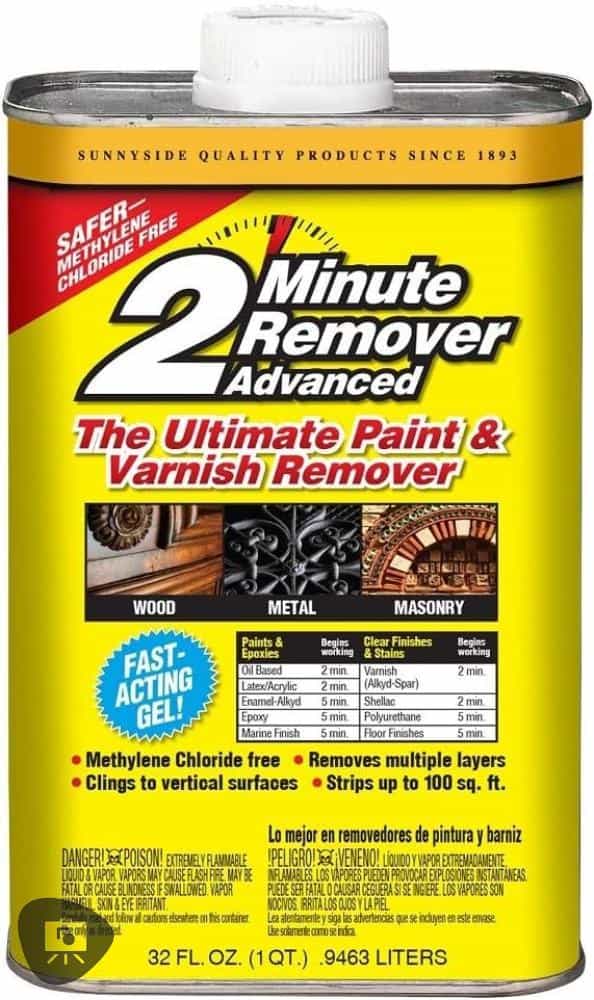
If the model is metal
- You have the broadest range of options: IPA, Biostrip 20, purple degreasers, and acetone.
- Make safety the deciding factor: ventilation, gloves, and how comfortable you are with stronger solvents.
If you are stripping an entire army
- Choose something affordable that you can reuse: Simple Green, LA’s Totally Awesome, IPA, or Biostrip 20.
- Work in batches so you are not over-soaking models for days while you scrub others.
Rare or sentimental models?
- Always choose the gentler option first.
- Accept that a tiny bit of stubborn primer is better than a melted torso.
Is stripping paint from miniatures expensive?
Short answer, no. Stripping paint from miniatures looks expensive when you see a wall of bottles at the hardware store or hobby shop, but in practice you can get a lot of mileage out of one or two products. You can recycle your used solvents.
When I was painting huge armies on commission, I’d collected a ton of chemical products for stripping hobby paint.
So, here’s what you may want to know either as a casual hobbyist or the more prolific painters who have batches of used or old models you want to repaint or restore.
Most of the cost lives in the first setup.
You buy a bottle of stripper or cleaner, a sealable container, a cheap toothbrush, maybe some gloves. After that, you are mostly paying in time, not money. A single bottle of isopropyl alcohol, Simple Green, LA’s Totally Awesome, or Biostrip 20 can clean dozens of miniatures before it loses effectiveness.
Compared with buying new kits, stripping is cheap.
Even the more “premium” options like hobby-specific strippers or purple degreasers usually cost less than replacing a single character model or vehicle kit. If a $10–20 bottle lets you rescue an entire squad, a board game box, or an eBay army, your cost per miniature drops to cents.
You can also keep the budget under control by making a few choices up front:
- Pick one main workhorse product
A tub of Simple Green, LA’s Totally Awesome, or a bottle of high-concentration IPA will handle most acrylic paint jobs on plastic and resin. You do not need five different strippers lined up on your bench. - Reuse your stripping solution
Most of these products stay effective across multiple cycles. When the liquid turns cloudy or full of floating paint flakes, strain it through a fine mesh or coffee filter and keep using it instead of pouring it out immediately. - Strip in batches instead of one model at a time
Filling a container for a single test model feels wasteful. Filling it once and cycling a whole squad or box of minis through it makes every soak more efficient. - Save the “expensive” products for special cases
Dedicated hobby strippers, Biostrip 20, paint remove gels, or powerful solvents, e.g., Testors ELO are great for thick, stubborn paint or awkward varnishes, but you rarely need them for everyday tabletop models. Use the cheaper general cleaners for bulk work, then bring out the specialty products only for problem miniatures.
Once you own a basic stripping setup, the ongoing cost to remove paint from plastic, resin, and metal miniatures stays low. The real decision is not “can I afford to strip this model,” but “is it worth a soak and a scrub to avoid buying it again.”
SUMMARY: BEST 10 PAINT STRIPPERS AND PAINT REMOVERS FOR MINIATURES AND MODELS
| Name | Type | Best Use | Avoid Using With |
|---|---|---|---|
| Isopropyl Alcohol (91–99%) | Solvent (alcohol) | Plastic, many resins, metal; fast acrylic removal | Fragile/unknown resins (long soaks) |
| Simple Green | Mild detergent/degreaser | Safe long soaks; plastic and resin | Very stubborn primers without patience |
| LA’s Totally Awesome | Stronger degreaser | Plastic with tough acrylic layers; budget stripping | Fragile or unknown resins (monitor closely) |
| Biostrip 20 | Water-based paint remover | Plastic & metal with old/thick paint | Some resins/scenic bases that may soften |
| Super Clean / Purple Degreasers | Heavy-duty degreaser | Hard plastic & metal with stubborn layers | Fragile resins; long soaks on plastic |
| Dettol | Antiseptic cleaner | Plastic & metal with older acrylics | Resin; models sensitive to residue; anything where smell is a concern |
| Testors Easy Lift Off (ELO) or Similar | Adhesive-solvent stripper or remover | Stubborn enamel/lacquer; decals; high-value kits | Casual plastic jobs; long unattended soaks |
| AK Interactive Paint Stripper | Hobby-specific remover | Acrylic & enamel on plastic, resin, metal | No specific bans, but unnecessary for bulk stripping |
| Acetone | Strong solvent | Metal minis only; enamel or ancient paint | ALL plastic and resin (will melt/deform) |
| Warm Water + Dish Soap | Pre/ post-cleaning | Every model; removing oils & residue | N/A |
Final Thoughts
Stripping paint is one of those behind-the-scenes parts of the hobby that nobody talks about when they show you a finished army. But if you paint long enough, you eventually meet the model you wish you could reset without wrecking it.
The good news is that you do not need to gamble that model’s life on a random bottle from the cleaning aisle. With a little understanding of what your mini is made from, and what each product actually does, you can match the solution to the problem instead of attacking everything with the same blunt chemical hammer.
Start safely. Let the product do the work. Take your time with the scrubbing.
Let me know how it goes? Leave me a comment below! 😀
Enjoying Your Visit? Join Tangible Day
Free newsletter with monthly updates (no spam)


Tangible Day on YouTube (Miniatures and More!)