Ever sit down at your miniature painting desk and immediately feel the clock press in on you?
That happened to me the other day. I had ten minutes—just ten—before I had to jump into another responsibility. Everything was laid out: the brushes, the water cup, that model I’ve been meaning to finish for weeks. But instead of painting, I just sat there, frustrated.
You know that feeling? When even touching a brush feels like it’ll open a door you don’t have time to walk through?
I could’ve walked away. But something in me didn’t want to. And that’s when I realized… even if I don’t paint, I’m still in this.
In this article, you’ll find my 7 ways to stay creatively connected to your miniature painting hobby—even when you don’t have time to paint. I’ve worked on tons of projects over the years, and putting this down on paper was my way of capturing the quiet parts of the process—the ones that happen between brushstrokes, when you’re still a painter even if the paint isn’t flowing.

1. The Pressure to Be Productive
It’s easy to think that if you’re not making visible progress—adding layers, finishing models, posting to Instagram—then you’re somehow falling behind.
But that’s not how creativity works. Painting isn’t a job with a punch clock. It’s a practice, a rhythm. And some days, it’s okay if all you do is sit down and feel that you miss it.
You don’t have to earn your place at the desk.

2. Micro-Moments Still Matter
What can you really do in ten minutes? Well, here’s an interesting use of 10-minutes.
You might be surprised.
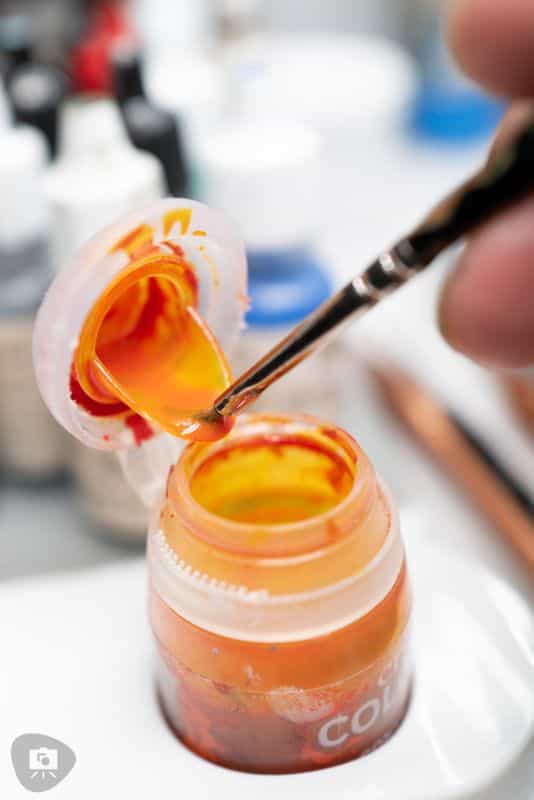
- Unscrew a paint pot just to look at the color.
- Reorganize your brushes by size or use.
- Prime a base.
- Spin a model around under your desk lamp and admire the sculpt.
These aren’t throwaway actions. They’re signals. They tell your creative brain, I’m still here. I still care about this.
Even flipping through a painting guide or rereading your campaign notes can pull you back into the mindset. These tiny actions keep you tethered.
3. Journal the Unpainted Ideas
Here’s where it got interesting for me.
I didn’t paint—but I wrote. And that changed everything. In fact, there’s quite a bit of scientific support for writing to help get your miniature painting mindset in the right place.
I grabbed a notebook I keep near my hobby space and started dumping thoughts into it:
- That weird idea I had for combining pastel blue with oily bronze.
- A scheme I saw in an indie comic where the shadows were lime green instead of black.
- A note to try that melted-candle-wax blending style I spotted in a Golden Demon entry—something surreal, like the mini was warping under heat or time.
These aren’t polished plans. They’re fragments. But they’re mine.

And more importantly, they give my creativity somewhere to go, even when my hands can’t follow yet.
Try it. Keep a little journal by your hobby tools. Jot down what you’re excited about, what you want to try, or even what’s frustrating you. You’ll be amazed how much it clears the fog.
4. Your Brain’s Still Painting
Even when you’re not actively mixing colors, your creative mind is working.
Maybe while walking the dog, you notice how early morning light hits the sidewalk—soft, cool, directional. You store that for later. You didn’t even mean to, but your brain grabbed it.
That’s how artistry works. It brews in the background.

A model you saw online last week—vibrant, chaotic, somehow beautiful—is still echoing. That YouTube video about layering you didn’t finish? Your hands might be itching to try it already.
So much is happening, even when it looks like nothing is.
5. The Gift of Longing
And then there’s this: that ache to paint?
That’s good.
It means the spark is alive. You haven’t drifted. You’re just… waiting.

Sometimes, longing is the most powerful part of the creative cycle. It’s a hunger that shapes intention, clarifies desire. It reminds you why you love this in the first place.
Don’t push it away. Let it simmer.
6. Tiny Rituals That Keep You Grounded
So when life gives you ten minutes, don’t write them off.
Use them. Gently.
Here are some quick-touch ways to stay connected:
- Scroll through your gallery of past work and admire your progress.
- Clean one brush.
- Wipe down your cutting mat.
- Write one idea you want to try next session.
- Snap a photo of your current workspace—mess and all.
These aren’t chores. They’re threads. They weave you back in.

7. Grace for the Gaps
Here’s what I’ve learned: creativity isn’t just what you produce. It’s who you are when you show up.
You don’t need to finish a model today. Or even start one.
You just need to remember you’re still a miniature painter, even in the pauses. Especially in the pauses.
Those gaps? That’s where future ideas start to take shape.
When the next pocket of time opens up—whether it’s an hour or just another ten minutes—you’ll already be ready.

Final Thoughts: What About You?
What’s in your hobby journal right now?
Got a weird color combo you’ve been meaning to try? A miniature painting style that surprised you or left you inspired?
Share it in the comments below—I’d love to hear it.
Enjoying Your Visit? Join Tangible Day
Free newsletter with monthly updates (no spam)



Tangible Day on YouTube (Miniatures and More!)