As a commissioned miniature painter, I use several airbrushes to complete my projects, efficiently. However, the linchpin of any airbrush is the air compressor, which drives the air flow you need to spray your paint onto your models.
In this guide, I go over the basics of air compressors that you’ll likely want to know about when using them for your airbrush to paint miniatures.

Key Learning Points:
- Understand the basics of air compressors for airbrush painting miniatures
- Learn about the functionality and types of air compressors
- Find the ideal air compressor for your painting needs
Not all air compressors are created equal, and choosing the best one for your needs does require a bit of insight. I hope this article helps you make that decision!
RELATED: For more information about my top recommended airbrush compressors for painting miniatures, check out my specific air compressor product reviews.
Air Compressors for Airbrushing miniatures?
Let’s start at the top! What IS an air compressor?
An air compressor is a device that compresses air and stores it in a tank. Air compressors are used in a variety of applications, including automotive shops, construction sites, and home workshops.
Air compressors work by using a motor to drive a piston that compresses air and forces it into a tank. The compressed air is then released from the tank and used to power tools or inflate tires, or simply operate your miniature painting airbrush.

There are two types of air compressors: positive displacement and dynamic
Positive displacement compressors work by trapping a volume of air in a chamber and then reducing the volume of that chamber, e.g., diaphragm compressors. This type of compressor is typically used in home air compressors and small workshop compressors, e.g., airbrush compressors.

Dynamic compressors use centrifugal force, drawing air into a spinning impeller and then flinging it outward into a diffuser for collection and compression. Typically, larger industrial applications use this type of compressor.
Manufacturers rate air compressors based on their maximum pressure (in pounds per square inch or PSI), flow rate (in cubic feet per minute or CFM), and power (in horsepower or HP).
To be specific, for airbrushing miniatures, an air compressor with a CFM rating of around 0.5 to 1 CFM (Cubic Feet per Minute) at a pressure of 20 to 30 PSI (Pounds per Square Inch) is sufficient. For the most part, I would choose an air compressor that has least 1/4 horsepower to provide sufficient and reliable air flow in longer miniature painting sessions.
What Important Features I recommend you look for in an Air compressor for airbrushing miniatures
When you’re choosing the right air compressor, you should choose one that is appropriately sized for the job. I also will state from experience that you’ll want a reliable air compressor.
An unreliable airbrush compressor is the worst. You’ll experience the most profound sense of frustration…Ugh…when a compressor fails at an inopportune moment–right in the middle of a project, even while you have paint in your airbrush.
Look for an air compressor that will do the job you need and will work all the time.
Anyway, I digress. Get the correct size, power output, and least noisy airbrush compressor you can afford. If you’re a casual hobbyist or professional, starting with these top attributes when deciding what to get will help you choose the right compressor, or any tool really, for your project.
For example, a small air compressor may be the right airbrush compressor for your work, e.g., cosmetic makeup, painting miniatures or scale models, but would not be suitable for operating a jackhammer.
For airbrushing miniatures or scale model kits, e.g., military dioramas, 3D printed models, gunpla, Warhammer 40k, an air compressor is essential. It will deliver a consistent and reliable stream of air at low pressure.
Many compressors also have an adjustable pressure regulator, which allows you to control the amount of air flow. This is an important feature as too much air flow can result in paint splatter or overspray (read more about this below).
Features to Consider in an air compressor for airbrushing miniatures
| Air Compressor Features | Recommendation |
|---|---|
| Size and Portability | Choose a compact compressor that fits easily in your workspace and is simple to move. |
| Reliability | Select a durable compressor to avoid disruptions and frustration during projects. |
| Power Output | Pick a compressor that provides a steady, low-pressure airflow perfect for detailed work. |
| Noise Level | Opt for a quieter compressor to maintain a peaceful environment in shared or home spaces. |
| Pressure Control | Ensure the compressor has an adjustable pressure regulator for precise control over paint application. |
| Cost vs. Quality | Balance your budget with the need for a reliable, high-performance compressor. |
| Application Suitability | Verify the compressor suits your specific painting needs, especially for miniature projects. Here are air compressors that I suggest you take a closer look at for painting miniatures with an airbrush. |
Final Thoughts
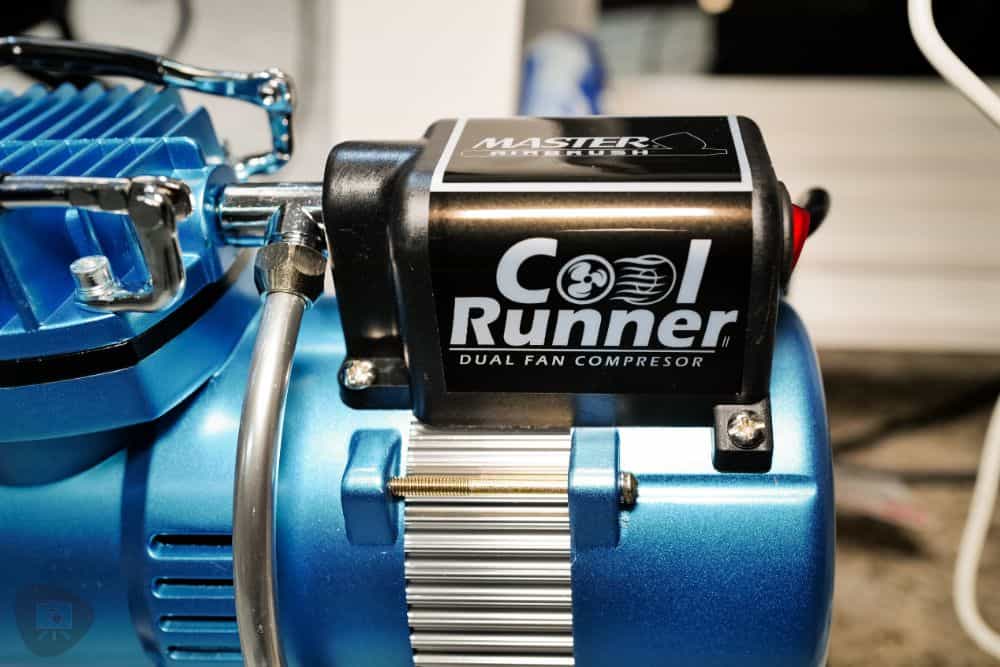
So, you’re looking for an air compressor, or maybe an upgrade? I hope you found this article useful. I’m currently operating my miniature painting commission endeavors with an inexpensive Master Airbrush 1/5 HP Cool Runner II Dual Fan Tank Air Compressor (which you can find on Amazon).
The kind of air compressor you use doesn’t truly matter as long as it can provide you with reliable air pressure, low moisture output, e.g., requiring a moisture trap or air tank, and doesn’t make a lot of ambient noise.
Check out my other recommended air compressors or my full airbrush guide for painting miniatures.
Enjoying Your Visit? Join Tangible Day
Free newsletter with monthly updates (no spam)




Tangible Day on YouTube (Miniatures and More!)